Blog

  • Shrimp That Live In The Forest, The Other Shrimp Of The Woods

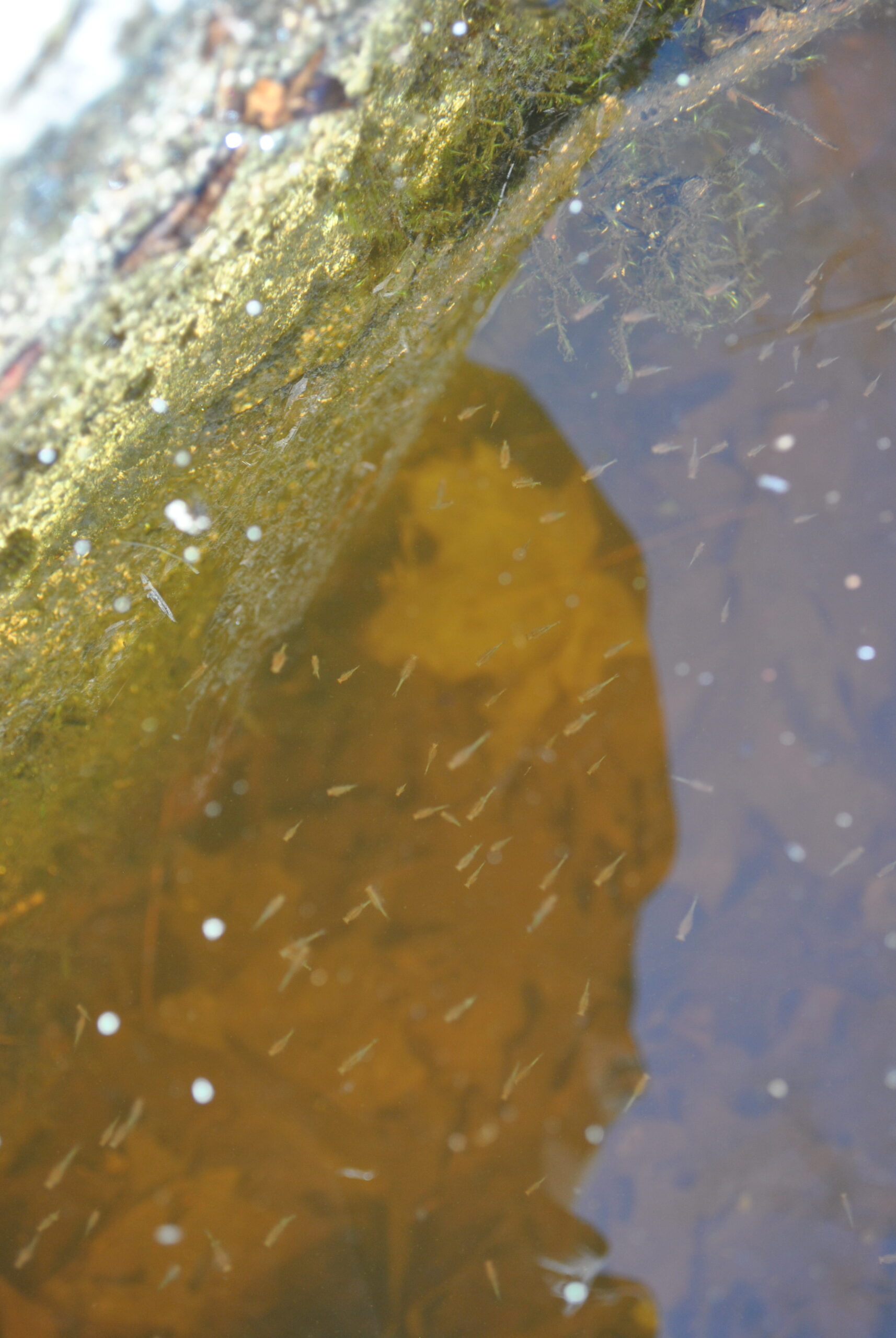
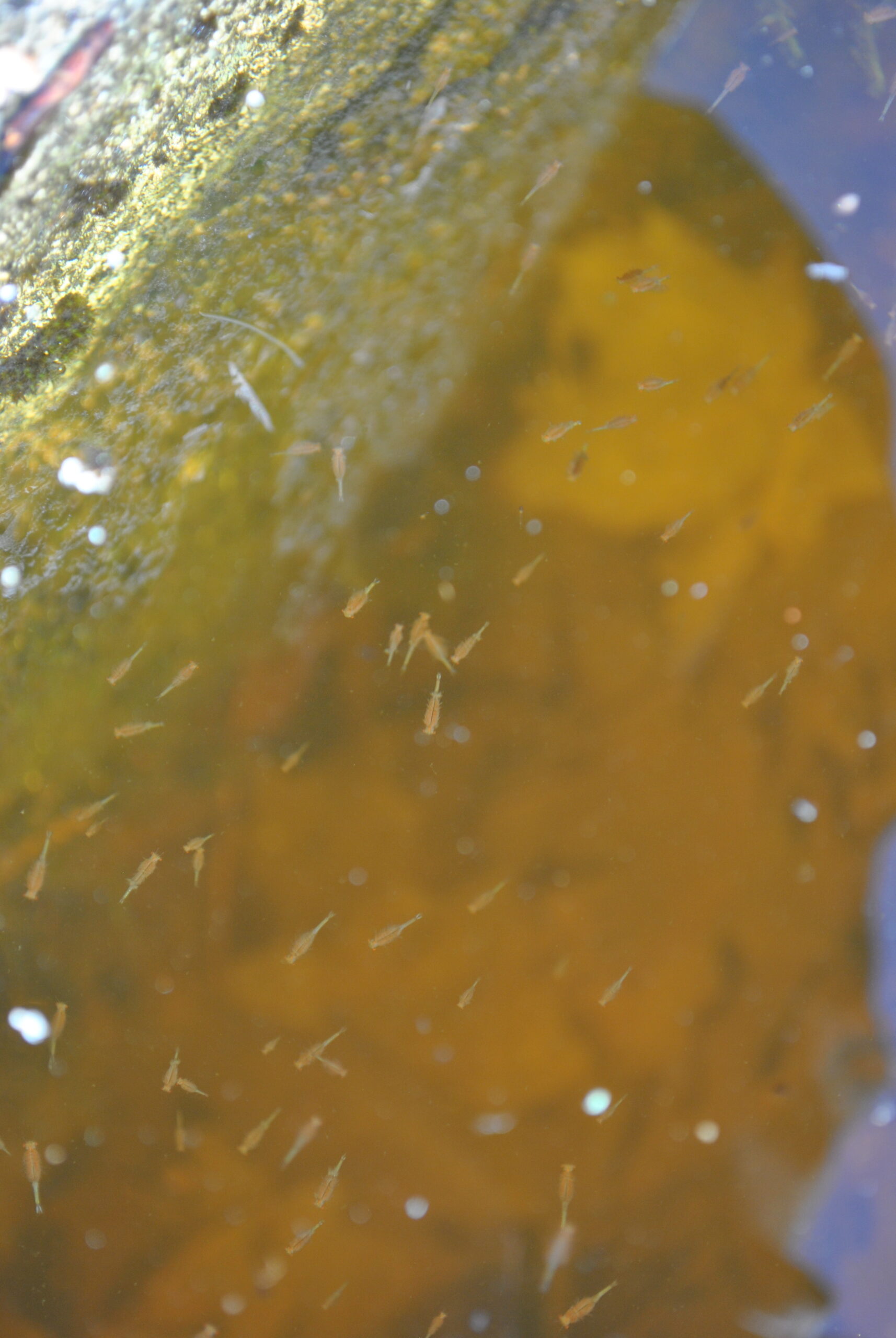
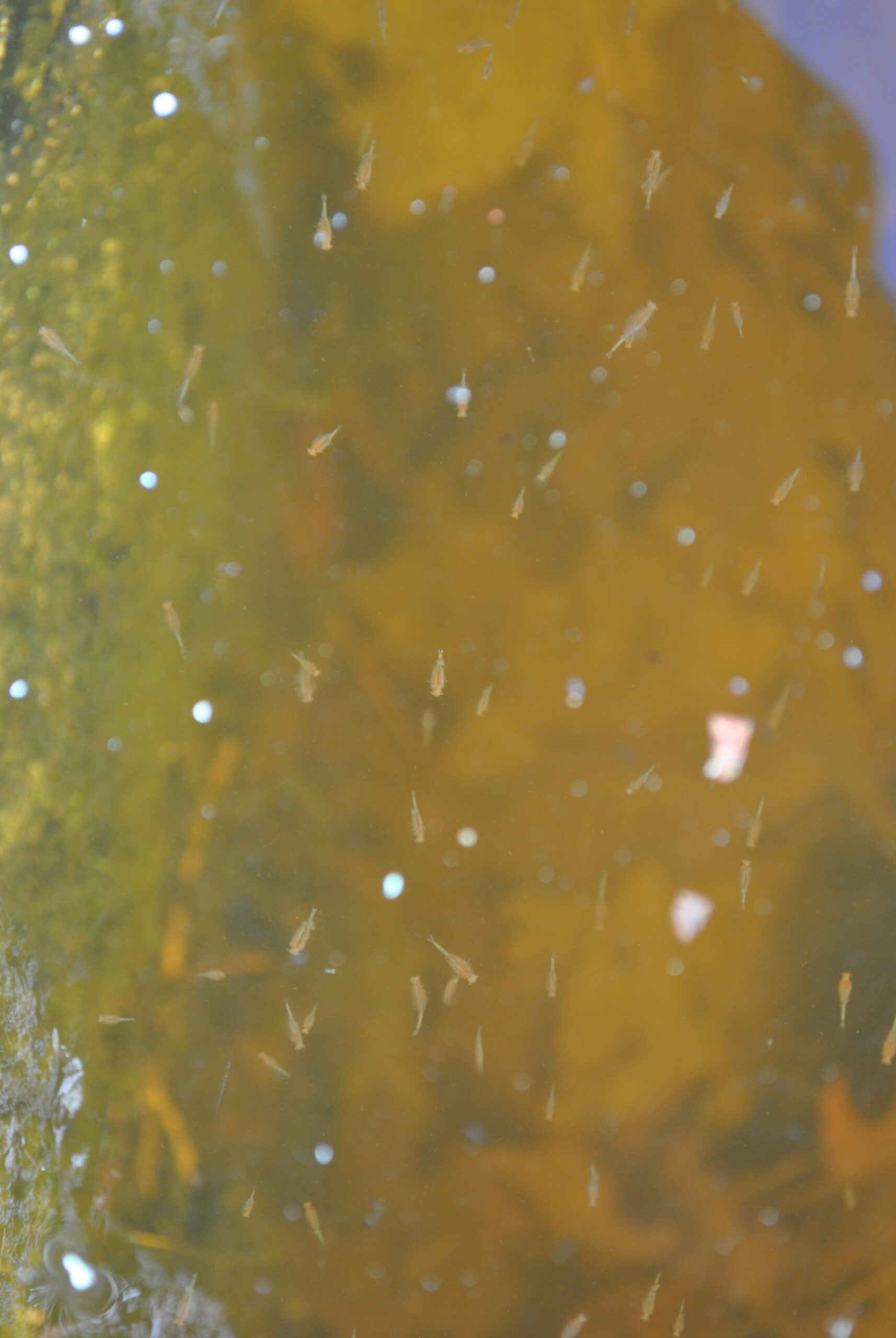
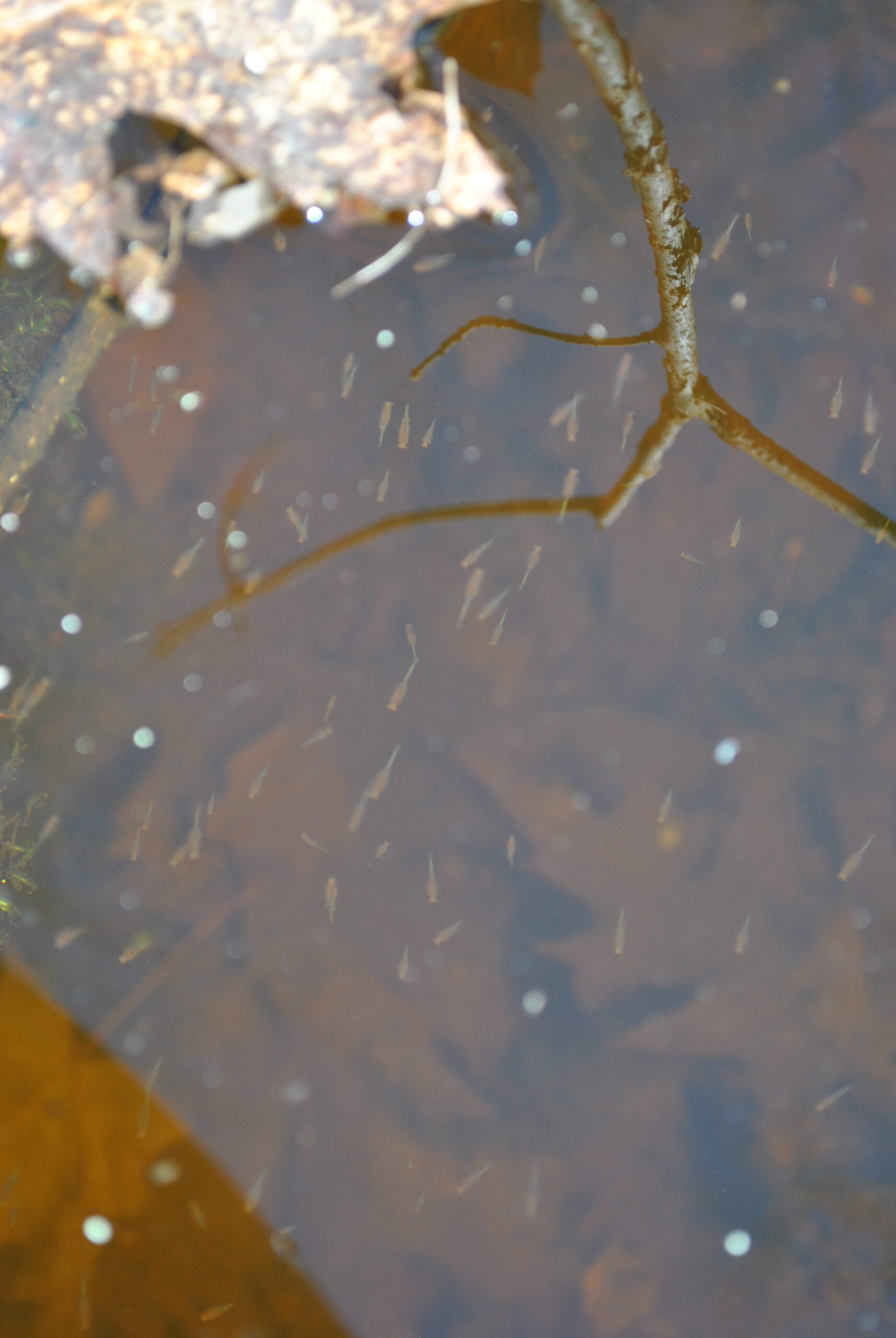
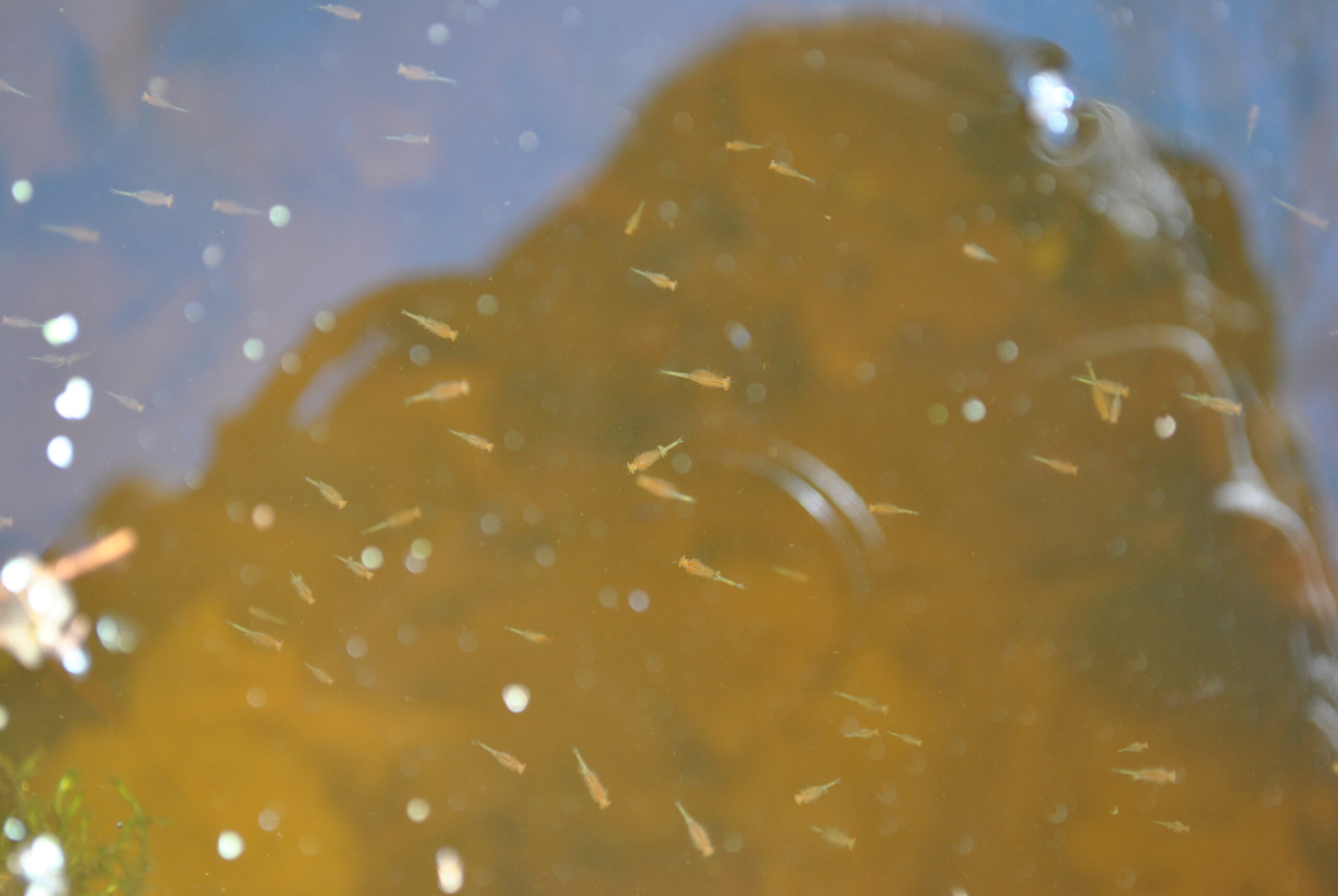
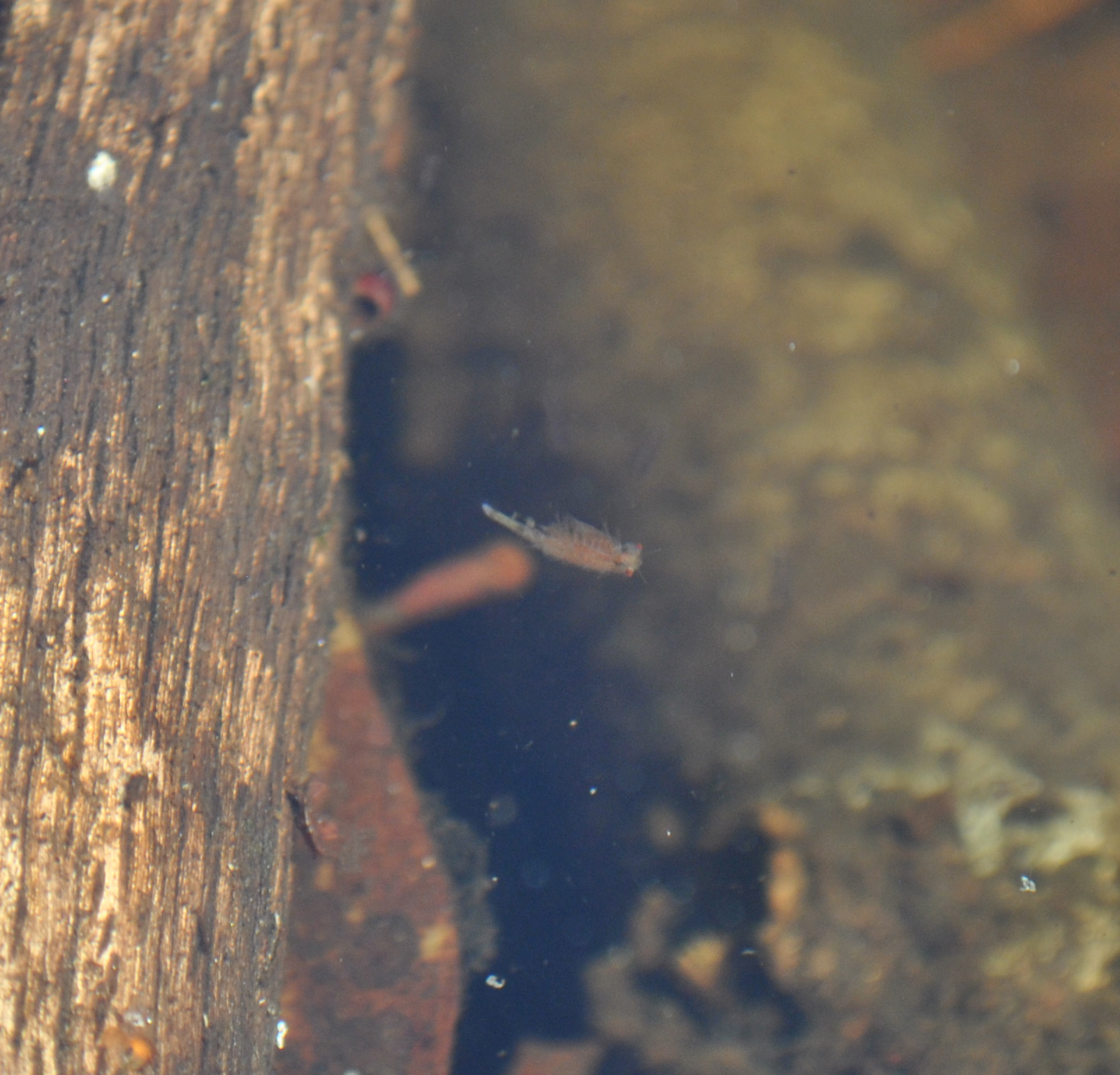
    People sometimes call the mushroom Entoloma abortivum “shrimp of the woods”  because they supposedly taste like shrimp.  I personally think they have more of a shrimp like texture than taste…but either way I am not talking about shrimp of the woods, I am talking about actual shrimp living in the actual woods.  Often called Fairy Shrimp, members of the Eubranchipus species live in vernal pools, ephemeral ponds that exist between snow thaw and summer heat.  These improbable creatures hatch, mature, mate, and lay eggs before the tadpoles hatch, before the water gets above 50 degrees F, and those eggs can survive the pools completely drying out until the next time the pool fills up.

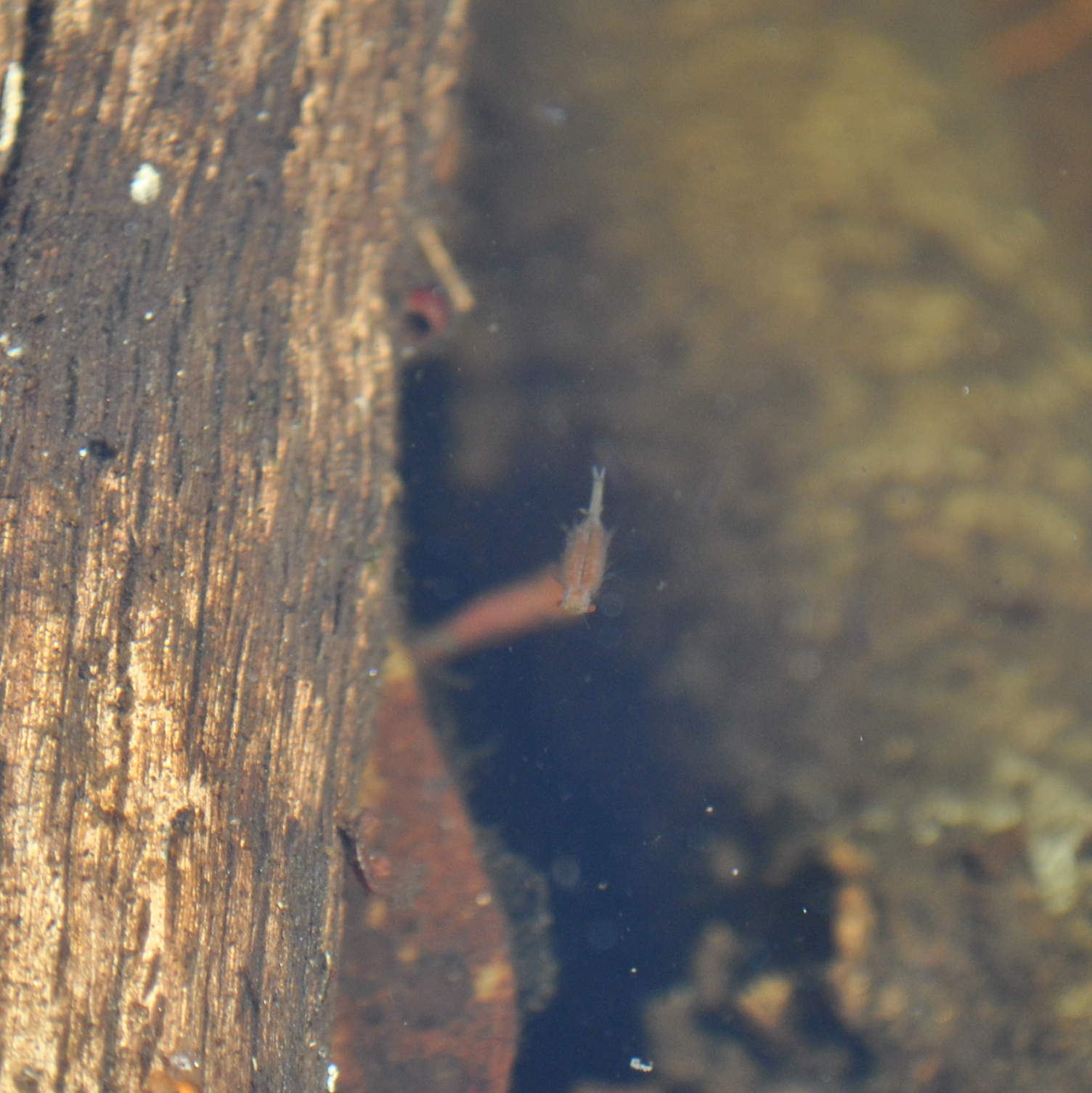
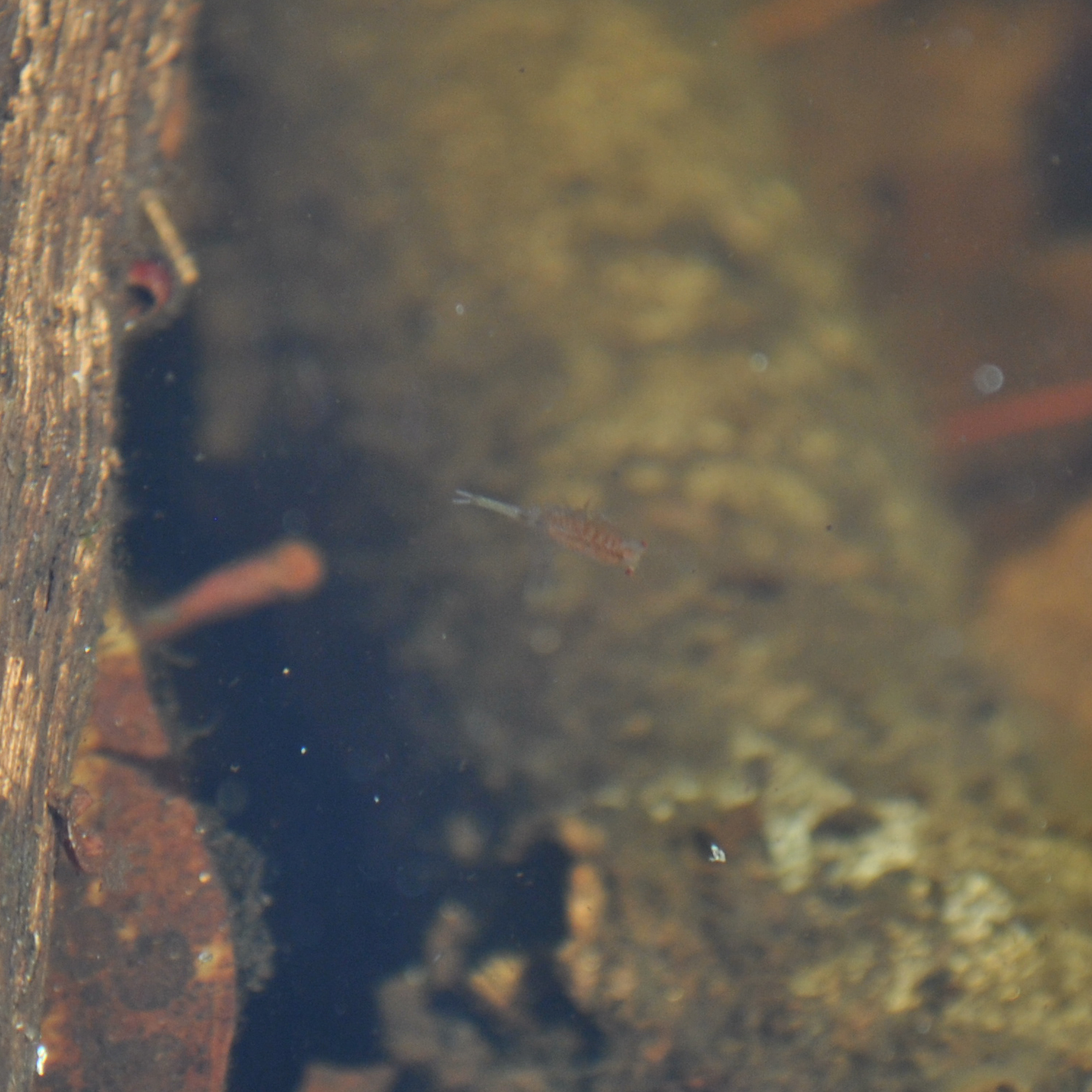
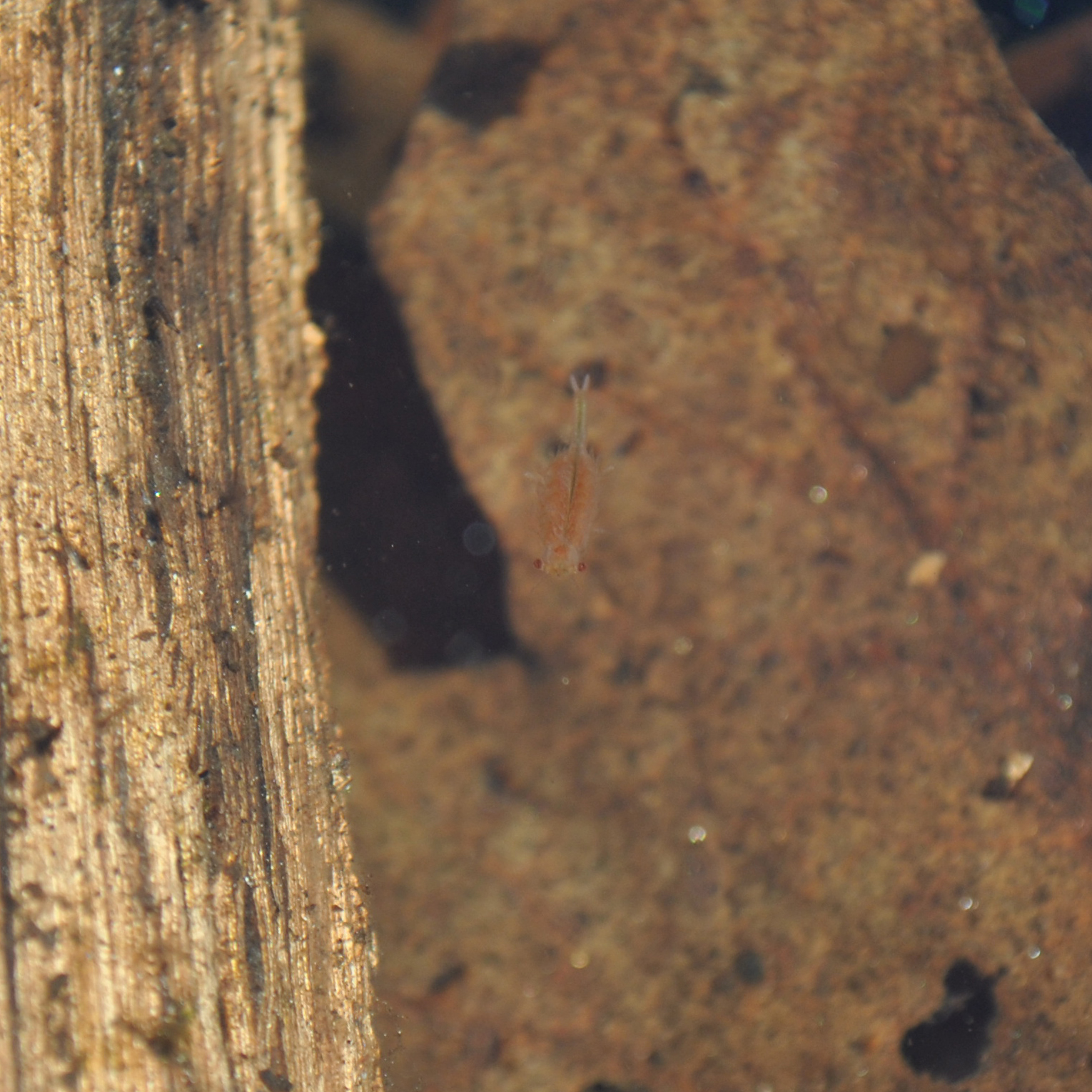
    If you are lucky enough to live near the Middlesex Fells you can go see them RIGHT NOW.  They often hatch before the ice has even thawed, and grow rapidly reaching full size of almost an inch long.  They swim upside down, and have a very distinctive swimming pattern, waving their many legs in a undulating pattern that reminds me of the way millipedes walk.

    I can’t really explain just how fantastical these creatures are, they live in the woods far from the ocean far from any lakes or ponds.  Discovering them feels like happening upon a unicorn, or a dragon, some kind of mythical beast.  I want to tell the world about these magical little creatures.  “HEY THERE ARE SHRIMP IN THIS PUDDLE! EVERYONE COME LOOK AT THIS!”

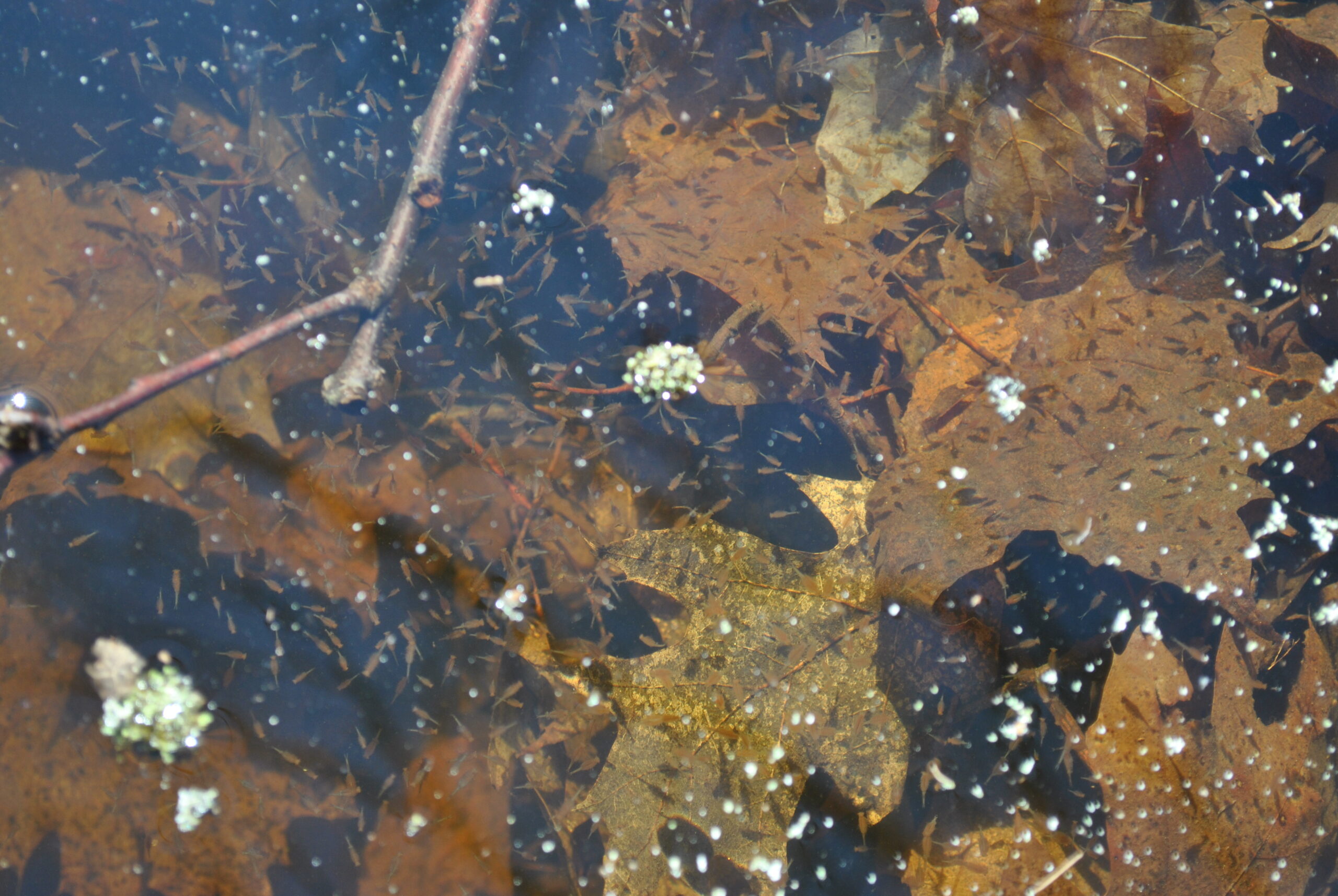
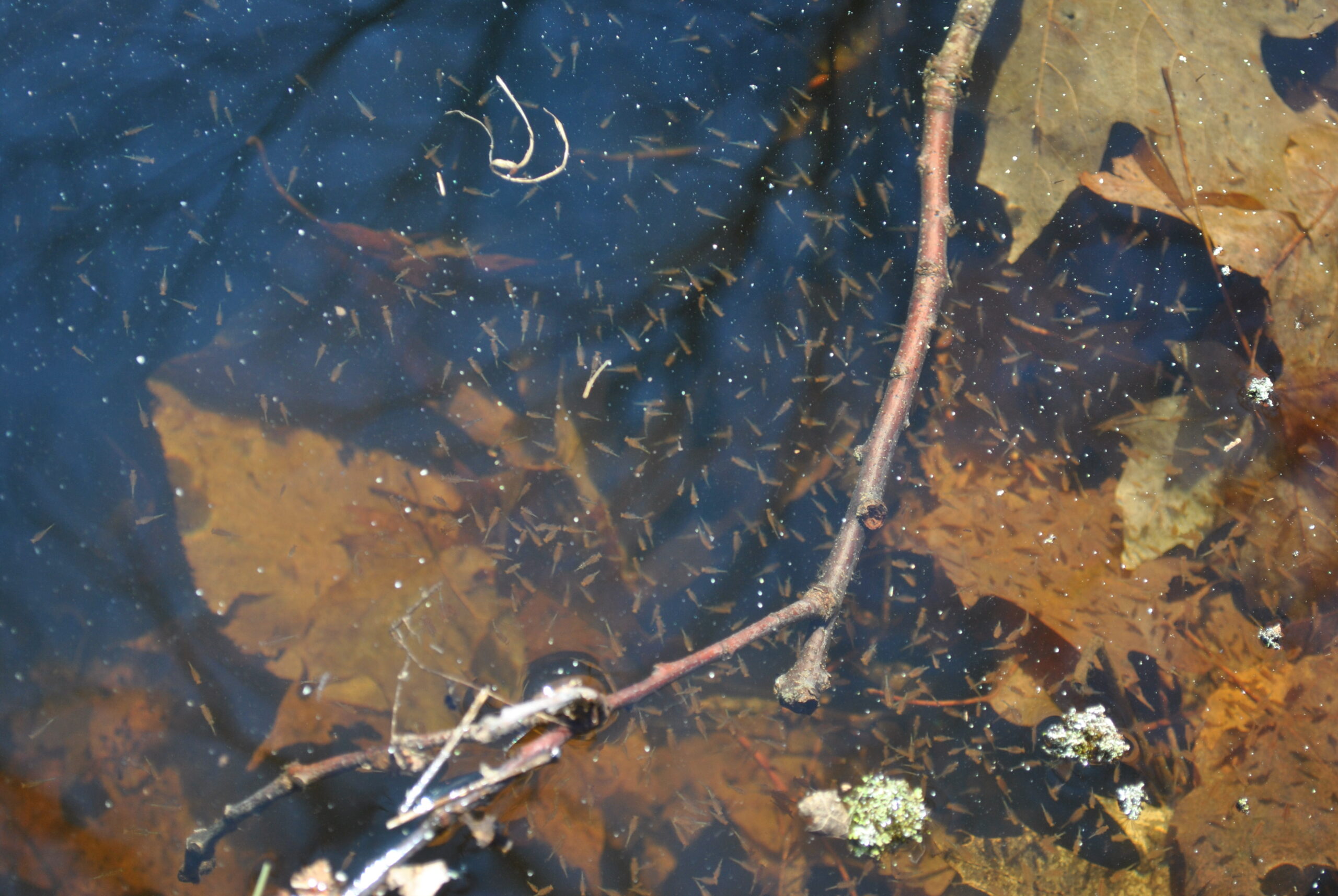
    Vernal pools are often full of sticks, leaves, and all sorts of other small creatures, so it can take a bit to get your “shrimp eyes” but once you do you will see one, then two, then three, then a dozen, then hundreds.  So what do these little weirdos look like, and where can you go see them RIGHT NOW (really do yourself a favor and go take a look).

    They are very hard to take pictures of, so please forgive any blur.

    If you want to go see them for yourself here is a basic location of several vernal pools where they will live until the water warms up, or the tadpoles hatch and eat them.

    Take the quarry road trail and look for shallow vernal pools along right hand side (if you are traveling north) tucked into the old quarry that used to exist there.  You will see them surrounded by big cut stones as well as more natural ones.  Approach slowly so you don’t startle them (or fall in the pool…the water is very cold).  Find a rock, and sit and look at the water.  You will often see the shadow of a shrimp first, traveling along the leaves under the surface.  Use those shadows to find the tiny, translucent shrimp swimming upside down lazily through the water.  You can also use your own shadow and by moving your head around to lock in your “shrimp eyes.”  Once you see one you will see more.  Take kids and show them as well, nothing makes a kid more confused and delighted than a sea creature living out in the middle of the woods.  They will want to go back next year to find them again.  It will mark the seasons for them, and for you!

    These pools are so fragile, so make sure you don’t spill dirt into them, and pick up any trash you might see around, pull up some garlic mustard on your way to and from the pools, and impart to any children you bring how important and magical these little creatures are.

  • Time To Sow!

    Now that many weeks of cold stratification are done, its finally time to sow the wild flower seeds.

    Sowing wild flower seeds is easy, many of them require light to germinate, so you simply have to spread them on top of the soil and wait.  I cold stratify my seeds in slightly damp sand, so I simply spread the sand along with the seeds onto small seed starting cells. The sand keeps the minuscule seeds from moving around, and still allows light to filter to the seed.

    This year I am trying to do a much larger variety, and less of each plant.


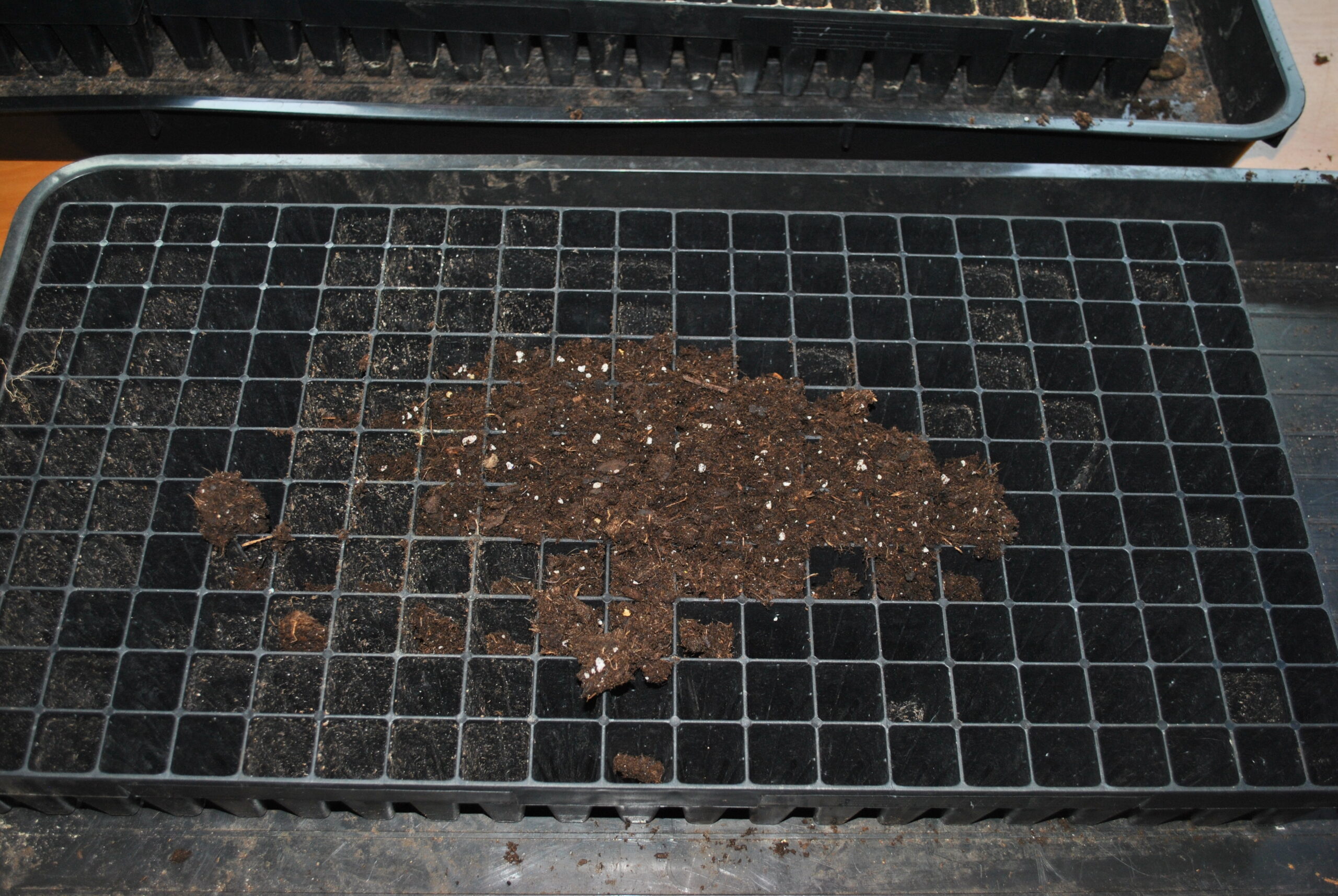
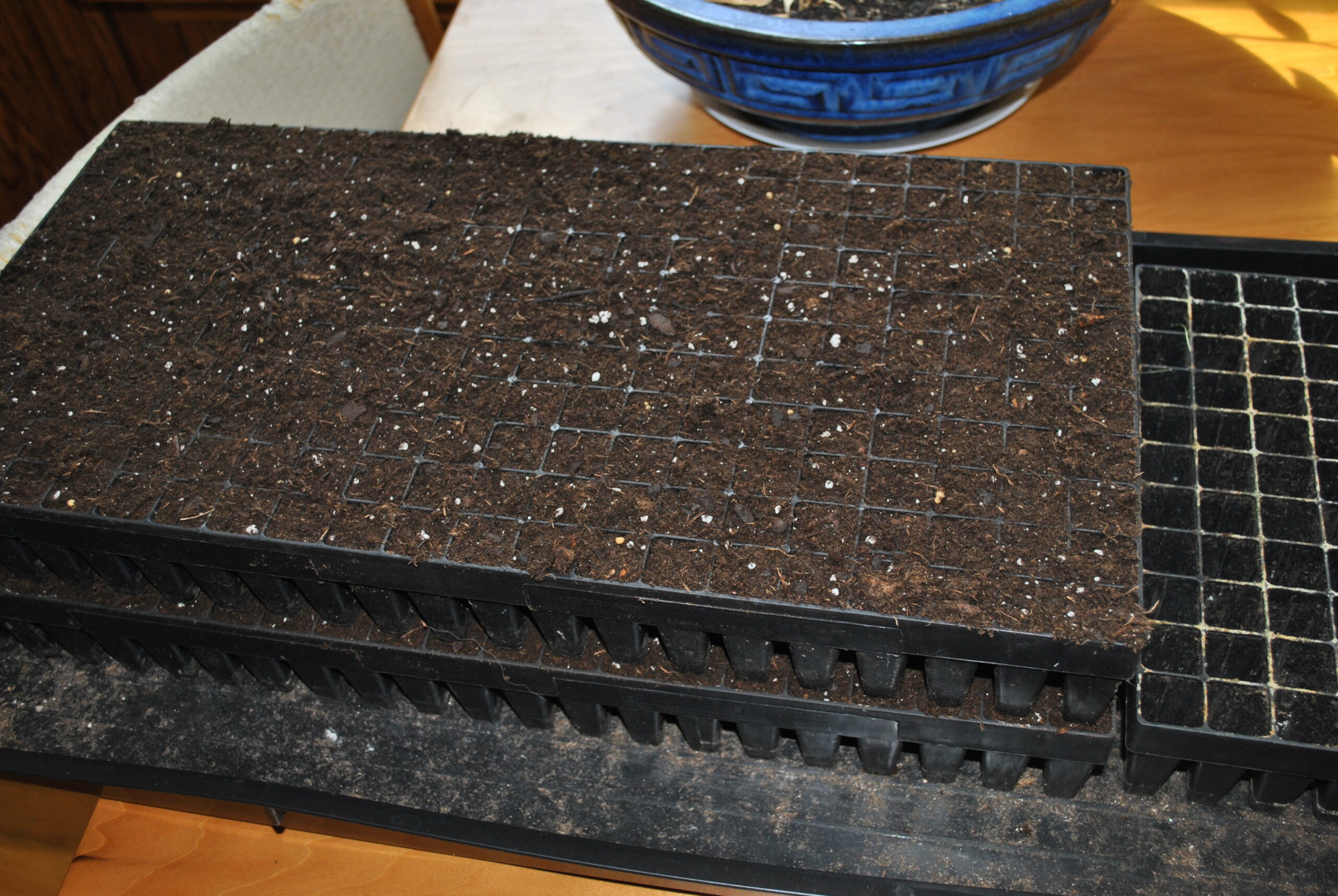
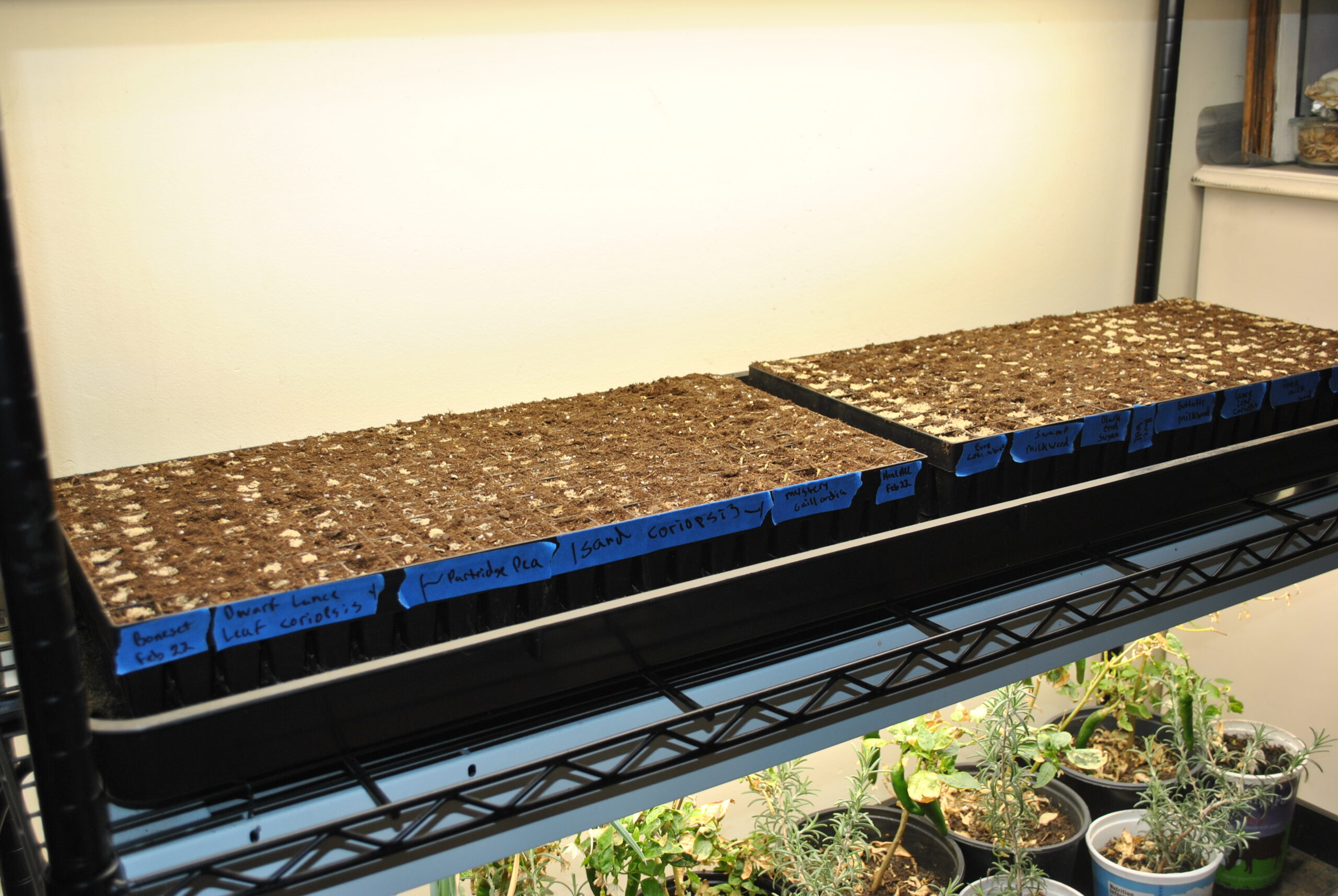
    I use 11×21 cell seed starting trays, first I pack in a potting mix then push all the dirt down and put even more dirt in.  I bottom water in trays so its important that ever cell is well filled with soil so that it will wick appropriately.


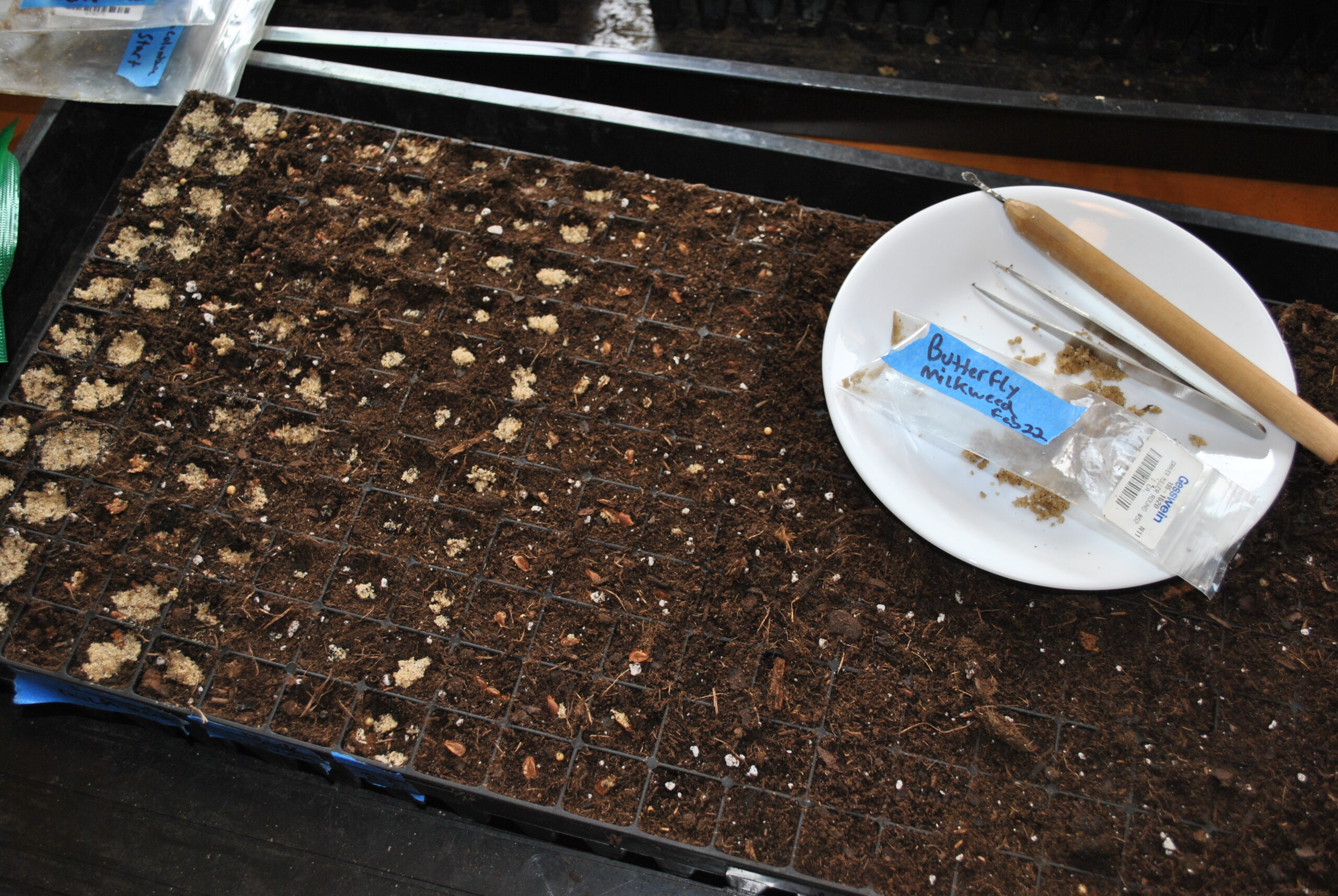
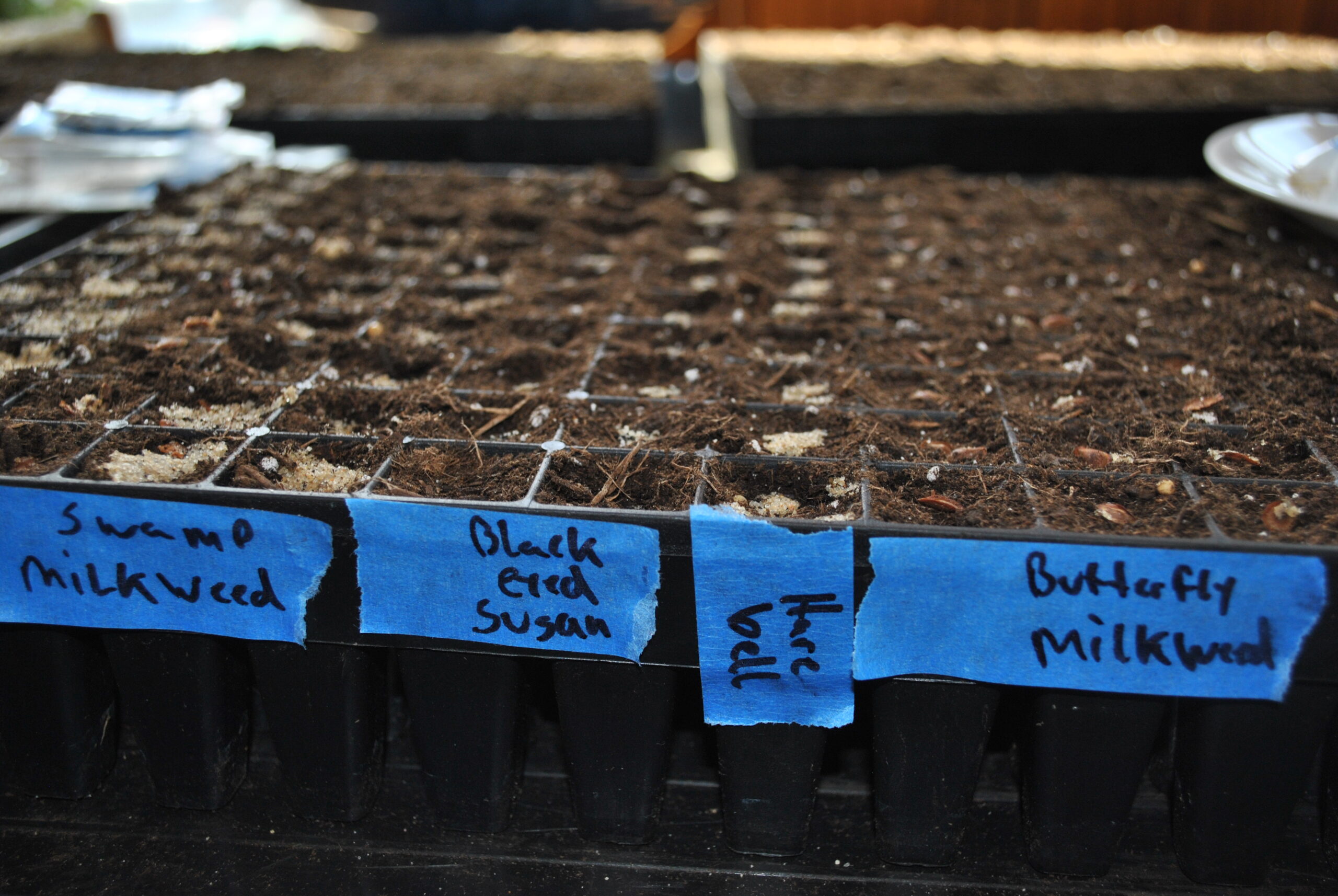
    I have a series of tools that help me place one or a few seeds in each cell.  This takes a long time, so I usually listen to music of a podcast while carefully placing seeds in each cell.  In this picture I am doing milk weed which have comparatively huge seeds some are basically dust.


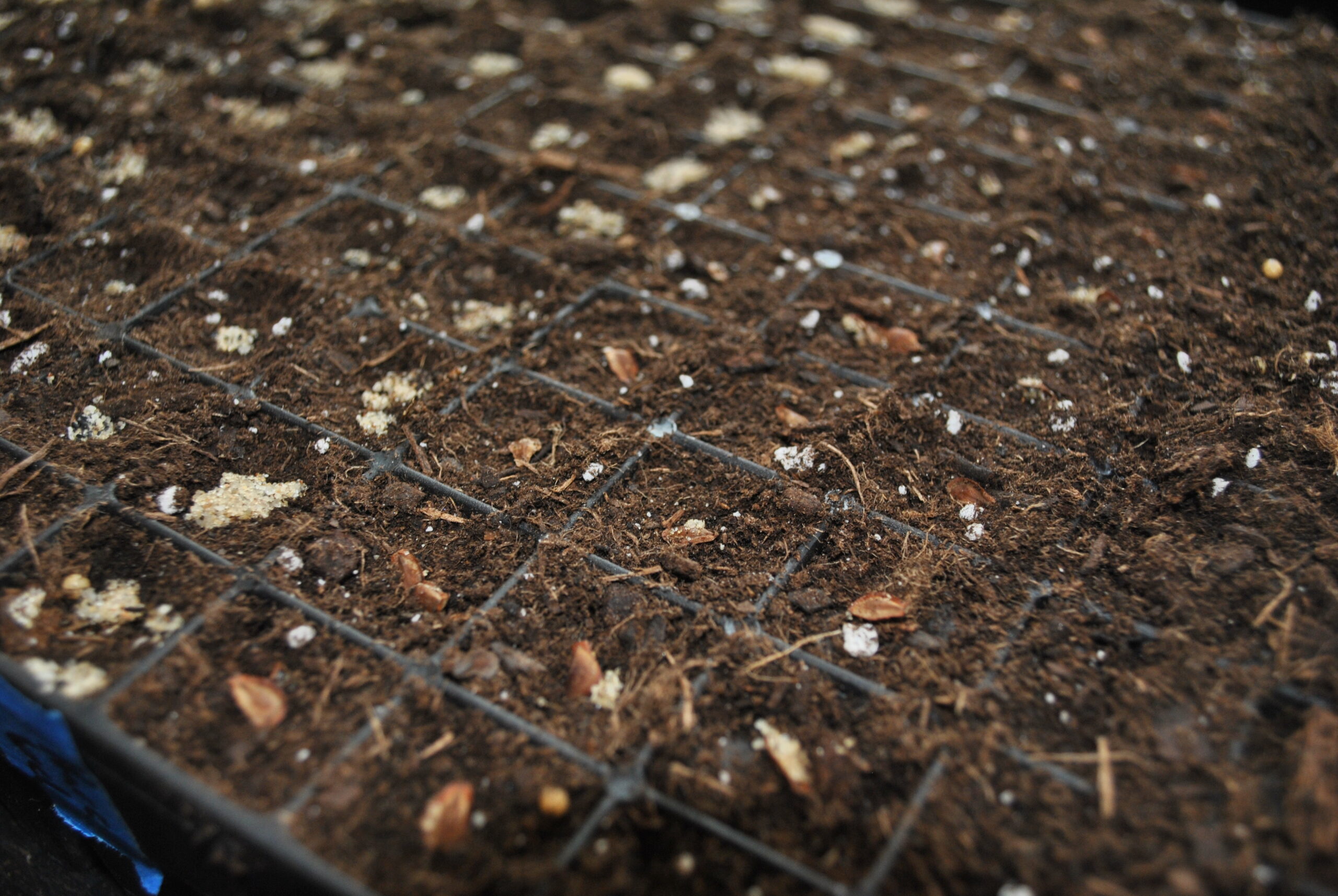
    Most wild flower seeds just need to be placed on top of the soil. you can see the sand in some cells for the much smaller seeds.


    Labeling each row is vital because later they will have to be potted into larger containers and its vital to remember what is what, as they can all look very similar when seedlings.


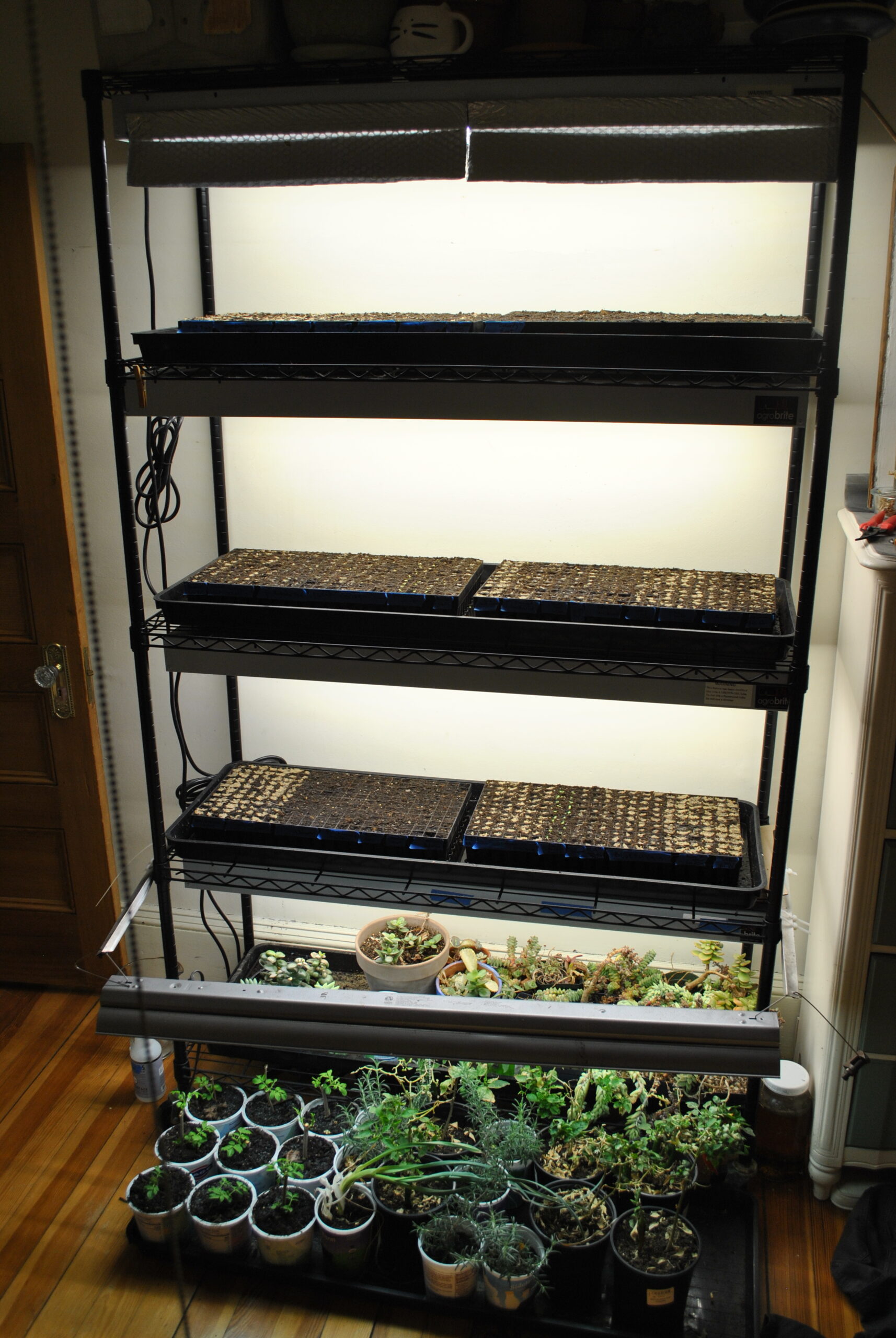
    They are then placed into a home made “plant wall” in trays, so I can just pour water into the tray and it will wick up into the trays.


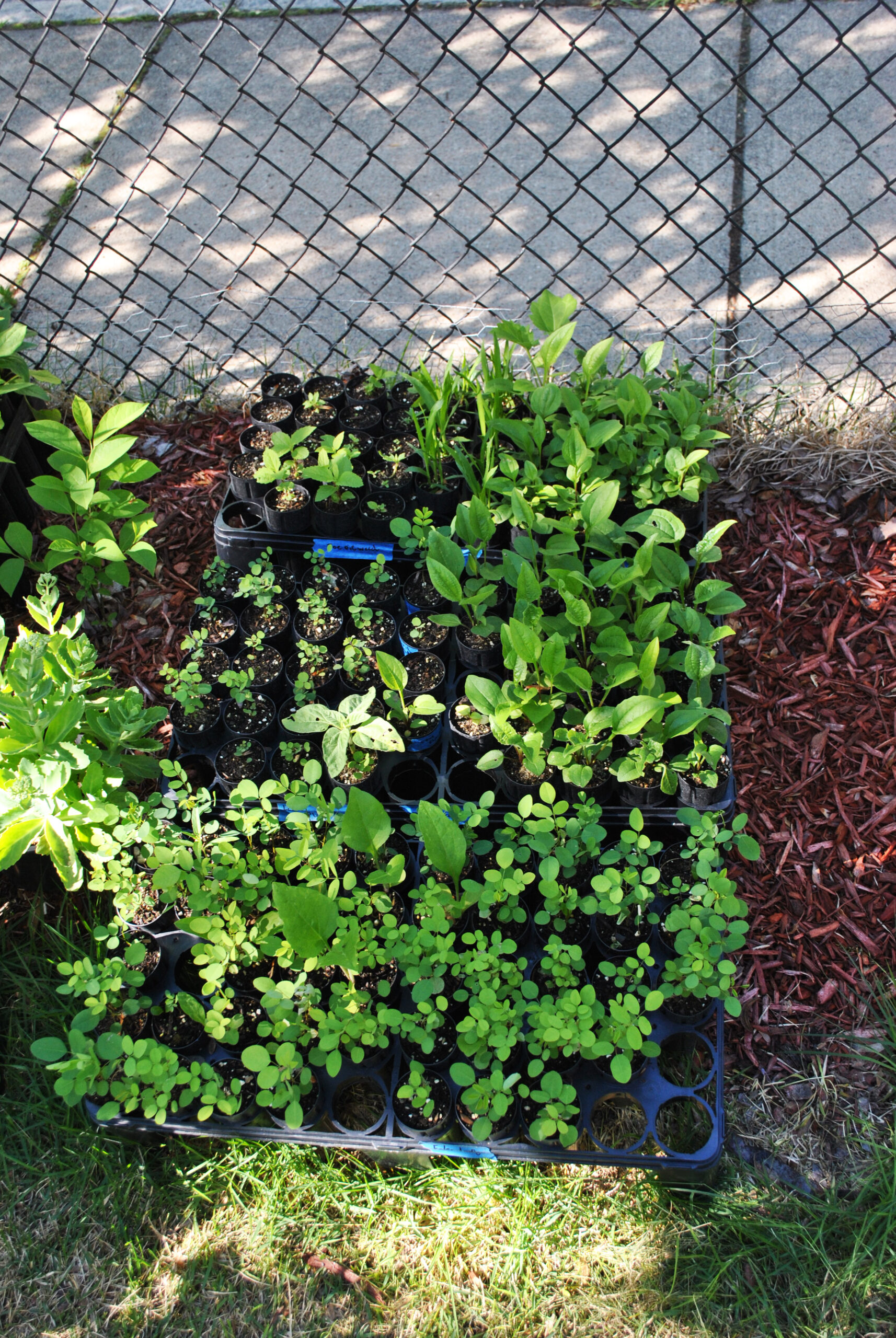
    For this round of seed starting I ended up with 40 different kinds of flower, 6 trays at 231 seedlings per tray, roughly 1400 plants if all of them germinate.  This will end up being the stock for the nursery this year combined with all the other plants that will get started outside in a few weeks.

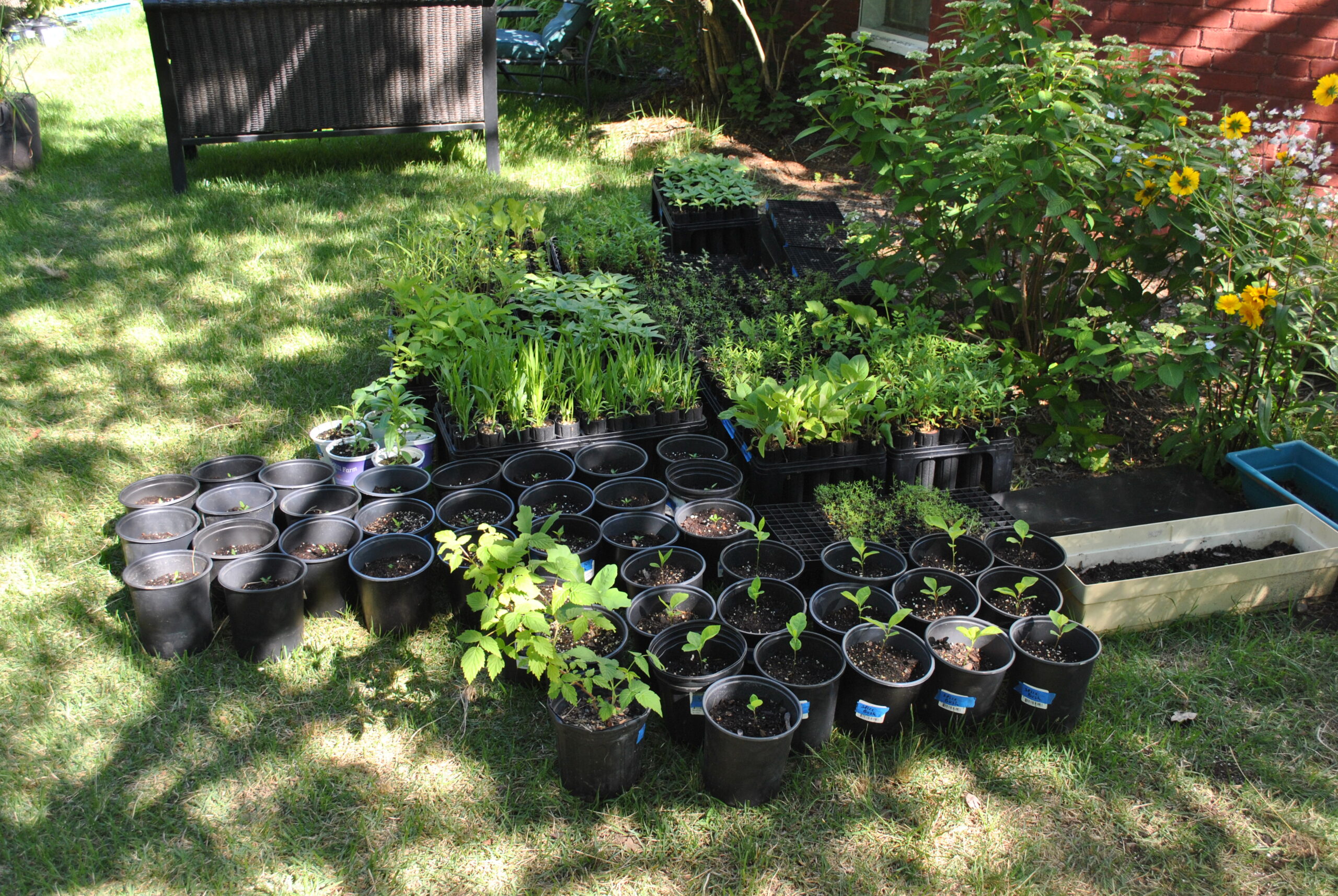
    In just a few short weeks these plants will be ready to plant, you can purchase them by visiting the nursery.

  • The Early Little Greens Are Here!

    The northeast got a good amount of snow this winter, and its finally…finally melting.  These “early little greens” as I think of them, are some of the first things you can forage in the year.  Even though its still regularly dropping below freezing these tough little plants still grow.

    Here are the ones I have been seeing around my neighborhood.

    Sheep Sorrel (Rumex acetosella):
    Rumex acetosella 15-p.bot-rumex.acetos-13
    Tenacious, some might even claim weedy, this tough little plant is very hard to kill.  It spreads via rhizomes, and makes lots of seeds.  Its smooth, slightly thick, but not quite succulent leaves have a very distinctive spear head shape.  Like other plants with the common name sorrel its got a very sour taste and makes a lovely addition to sandwiches, salads, and is used in french cooking. You will pay an arm and a leg for it at the grocery store, and it grows in giant patches all over the place free for the taking.  If you get some in your garden you might never be rid of it. I love the taste and texture and encourage everyone to try it.  There are not a lot of look-a-likes and you can tell them apart because of their very distinctive leaf shape. Later in the spring they erupt into beautiful patches of little red flowers, you can still eat the leaves then, but I think they are best now when the world is just thawing after winter.

    Garlic Mustard(Alliaria petiolata):
    Garlic Mustard (Alliaria petiolata)

    These invasive plants are a scourge in the north east forests of North America.  They spread like a plague, pushing out and destroying habitat for spring ephemeral plants.  They leaf out first, they grow fast, and they shade out and push out native plants.  But you can do your part by eating them.  You literally can not harvest enough.  In fact after you are done harvesting what you want to eat, continue to pull them up by the roots until you can’t find anymore to kill, then come back in a week and pull up any new seedlings you find, then come back next year and do the same.  Killing them should be on your to-do list every time you leave your house.

    The plant is on a two year cycle, its first year storing up energy, and the second year spreading millions of seeds.  First year plants will often over winter with one or two little juicy leaves, or pop them up early in the spring.  You can tell them apart from other early greens by their deeply indented leaf veins and the pungent garlicky/mustardy smell when you crush the leaves.  They taste like a mix of garlic and mustard, and will often be too strong later in the year, but right when the snow thaws they are tender and delicious.  Later in the summer you can collect the seed pods to make a strong mustard.  Use early leaves in pesto, salads, cook them into things you would cook spinach into, use them in sandwiches, or anything else you would need a pungent green.  Later in the summer you can find them because of their little white four petal flowers which is a great time to pull them up as you look for other things.
    garlic mustard

    Hairy Bittercress (Cardamine hirsuta):
    hairy bittercress (Cardamine hirsuta)

    One of the very first plants to come up in the spring, you will find them everywhere.  They grow in little rosettes and are best when they first emerge before they go to seed.  They have a strong flavor, a peppery pungent arugula like green that many people crave after a season of snow and darkness.  Get them before they send up their tiny little flower stalks as they get tough once they go to flower. Once the flower are done they have tiny, explosive, seed pods.  Touch them and watch as they fling tiny seeds all over the place.  Some people don’t like the hairy texture, a quick blanch in boiling water can reduce that a little.  They are great in sandwiches, salads, pesto’s and any bread/soup/etc that uses greens.

    Stinging Nettles (Urtica dioica):
    Stinging nettles - Flickr - brewbooks
    It’s pretty easy to tell stinging nettles from other plants, if you touch them and they sting you…you found stinging nettles. Covered with tiny glass like hairs that are full of acid and histamine, you might not think these very angry plants would be good to eat, but there is a reason they are so armored.  Nettles are some of the most delicious and nutritious plants on the planet and without a coating of nasty spikes everything in the world would be eating them.  A better, tastier spinach, they really are delicious.  So how do you eat this agro-plant?  The stingers are de-fanged by a quick dunk into some boiling water, or by being smushed/smashed/rolled/kneaded.  Grab them confidently to avoid stings (or so people claim) or just wear gloves.

    Nettle soup is so good you will gladly brave the danger of the leaves in order to have it every spring.  You can taste the healthy goodness as you eat it.  The wood nettle is even more aggressive with its string, and I think they taste even better.  Patches come back in the same spot every year, so if you find a good patch mark your map to come back.  You can eat them until they go to flower, then you should stop.  You can however eat the seeds which are very good.  Nettles need a lot of nutrients in the soil, so you will often find them growing near compost piles or in rich woodland where the sun gets in.  Sometimes you find them by bumping into them, but don’t worry the sting will only last an hour or two and then you might even begin to crave the sting.  Some people even say getting stung by a nettle can make their arthritis feel better for a while.

  • Let The Cold Stratification Begin!

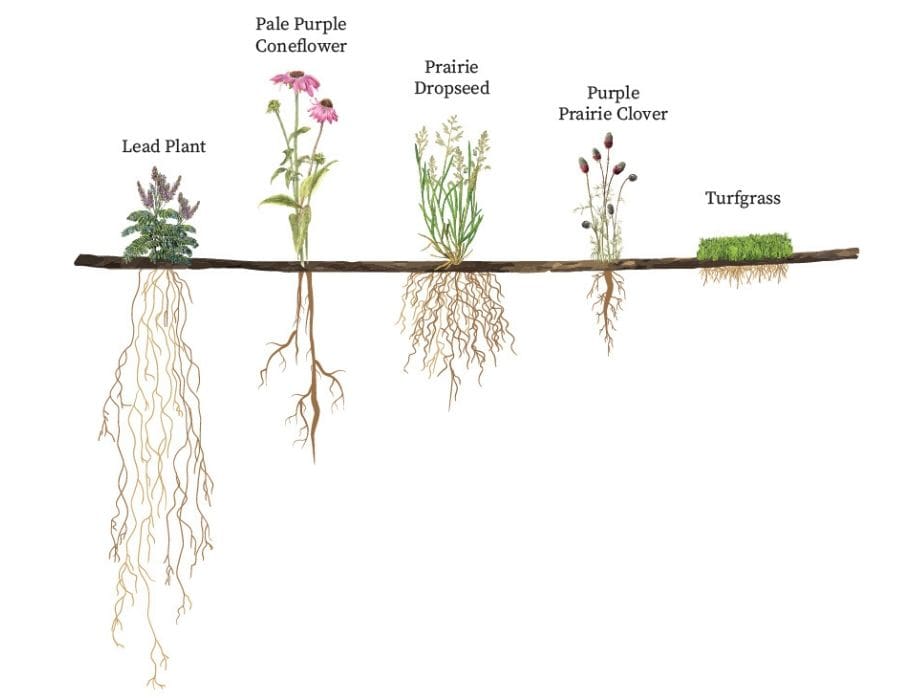
    The lifecycle of native plants is pretty amazing.  Most native wild flowers are Herbaceous Perennials, meaning they are non-woody plants that die back to the ground every winter and re-sprout every spring from deep roots.  Incidentally this is one of the reasons why high grass prairie is one of the best ways to store carbon to fight global warming.

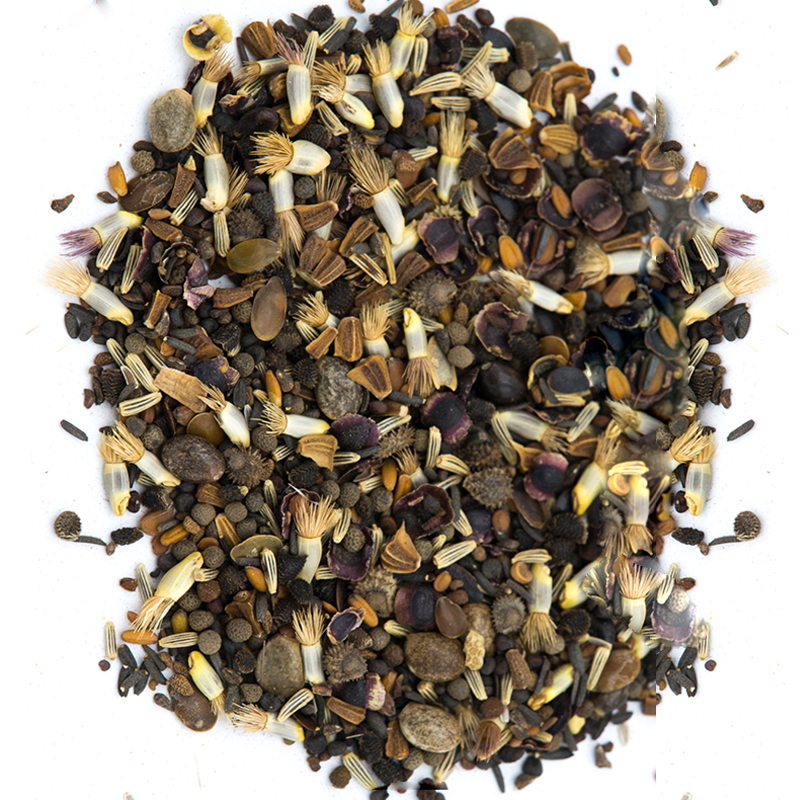
    Wild flower seeds are also fascinating,  most of them require what is called stratification, either warm or cold or both.  To prevent the seeds from germinating too early and then being killed by a late frost the seeds have germination inhibitors in them that are slowly degraded by cold, or a combination of warm and cold.  Most wild flower seeds require 4-8 weeks of being cold and damp before the seeds will germinate.  In nature this would be accomplished by the seeds falling to the ground in fall, and just hanging out getting cold and snowed on all winter.

    Some plants have taken this to extreme lengths, plants like Ramps require 18 months of stratification, 60 days of warm and damp followed by 90+ days of cold and damp stratification.  Ramps don’t even go to seed until they are 7+ years old, and then their seeds can stay in the ground for over a year in order to get the required amount of warm and cold stratification.

    So if you want to grow your own wild flowers, you will either need to spread the seeds upon the bare earth in fall and hope for the best, or you will have to stratify them yourself.  Luckily almost all of us have the perfect cold damp environment in our homes, our refrigerator.

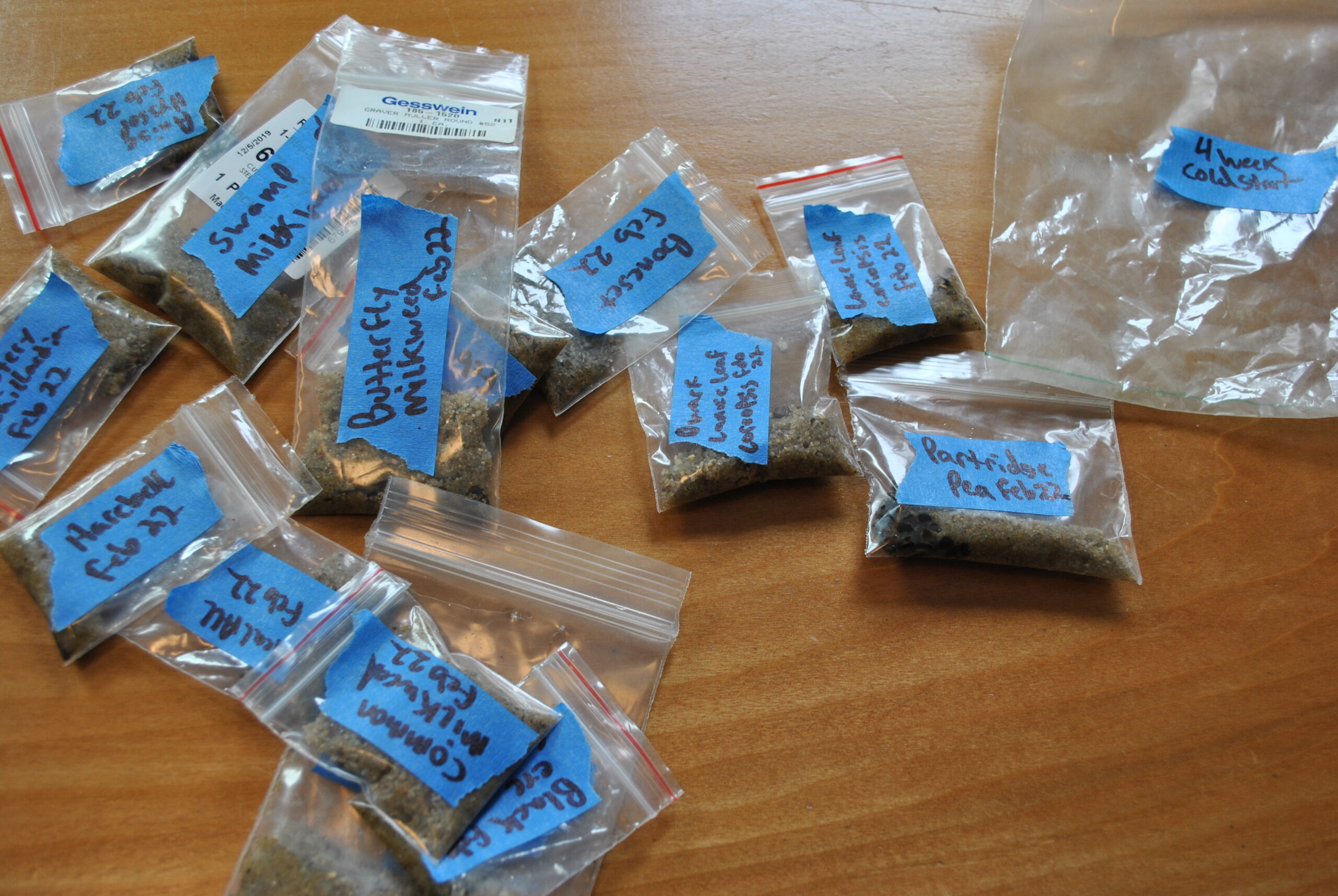
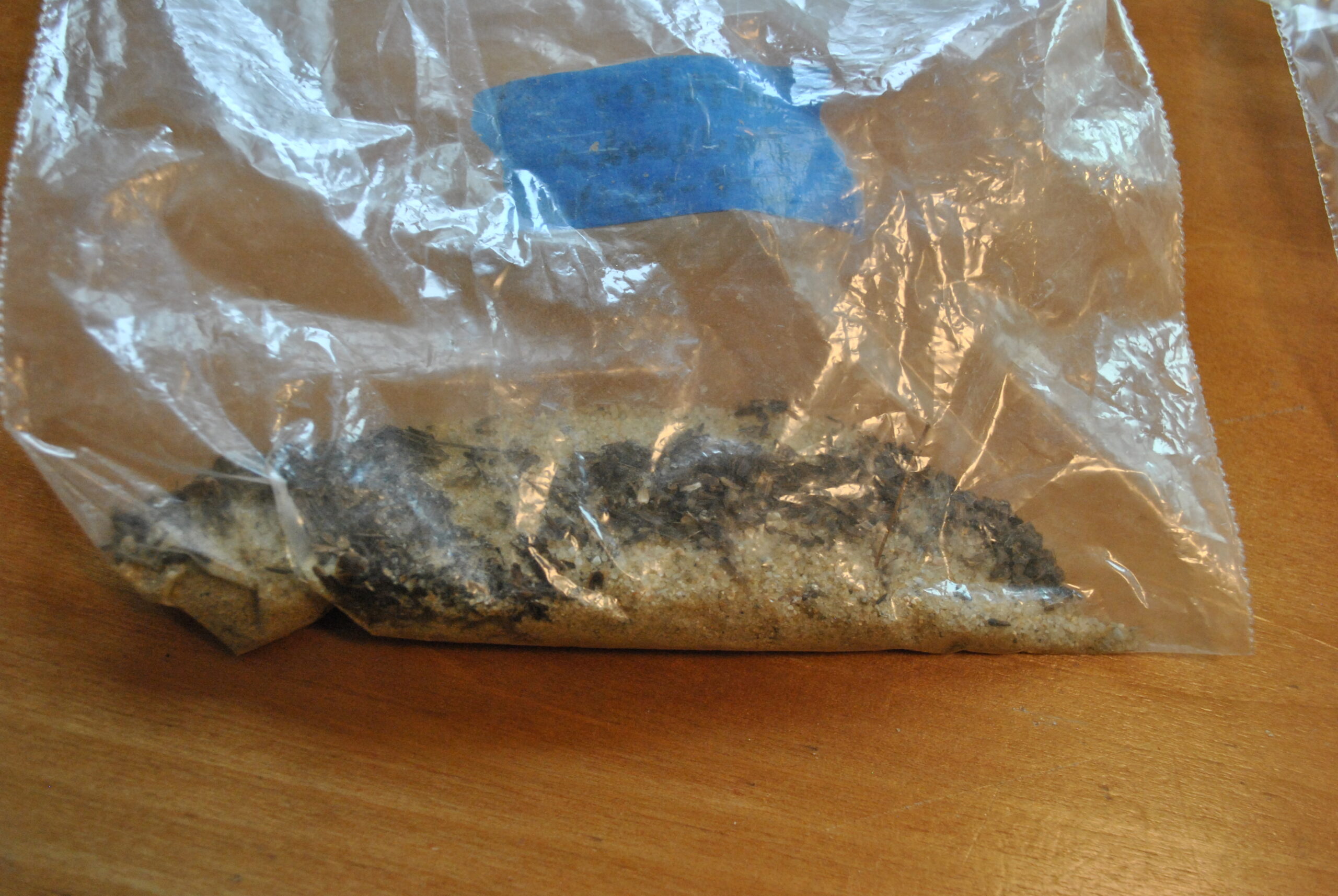
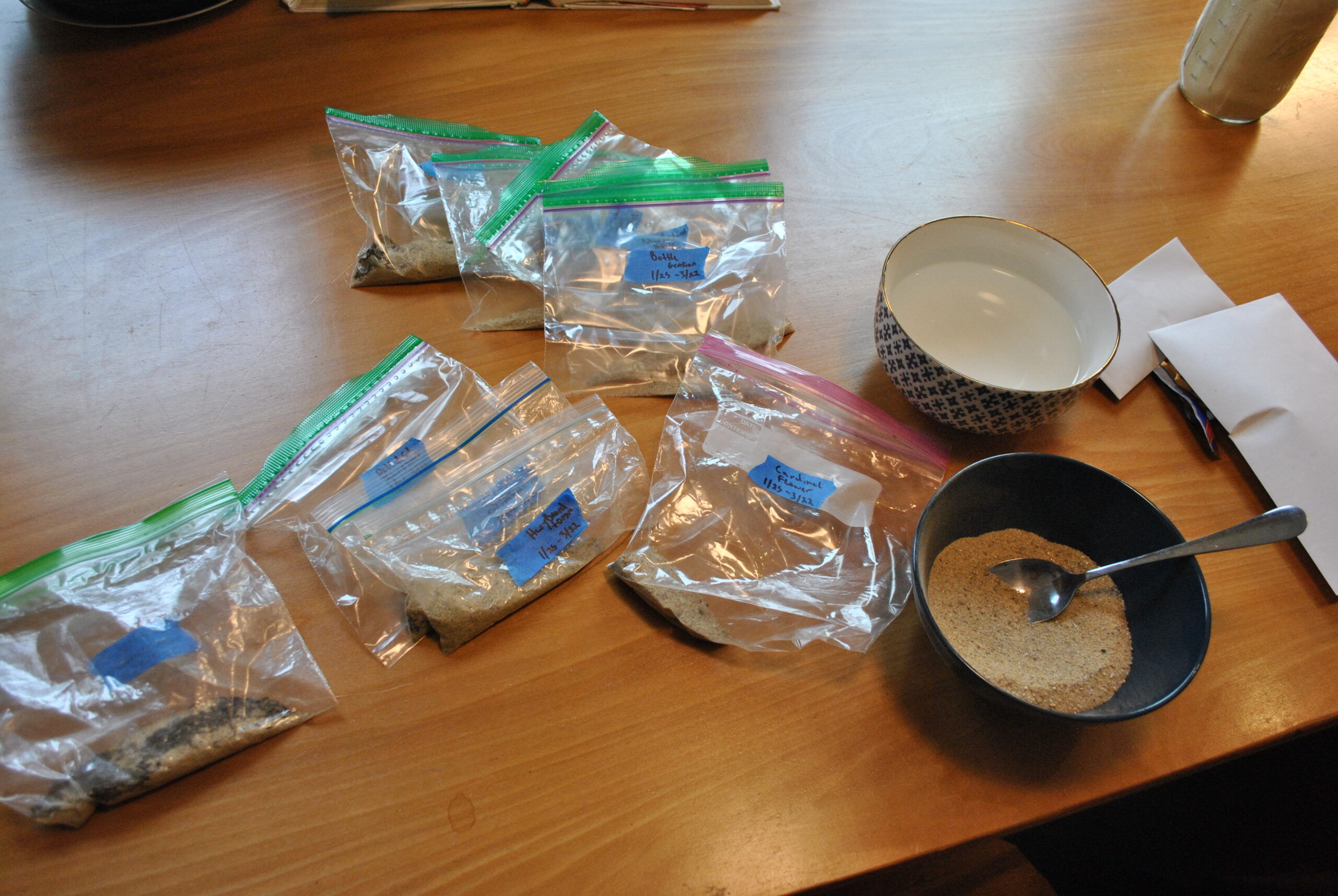
    Every year around this time I start putting little baggies of damp sand and seeds into the back of my fridge in a march towards spring.  First the 8 week seeds, then the 6 week, then 5 then 4…etc.  Then sometime in march they all come out and get planted under some grow lights.  In this way when spring rolls around I have hundreds of wild flower ready to go.   If you want to do this yourself here are some tips, use sand instead of soil as sand has less of a chance of growing mold.  Use only enough water to gently dampen the sand, too much water will also cause mold.  Be sure to label everything!  The seeds are so tiny that you can barely see them let along remember which is which.  When it comes time to plant just sprinkle the sand on top of the soil, most of these seeds do not want to be buried, and need light to germinate, the sand will allow the light to shine through it.

    Or if you don’t want to go through all that trouble you can make an appointment to visit Neighborhood Plants Nursery.

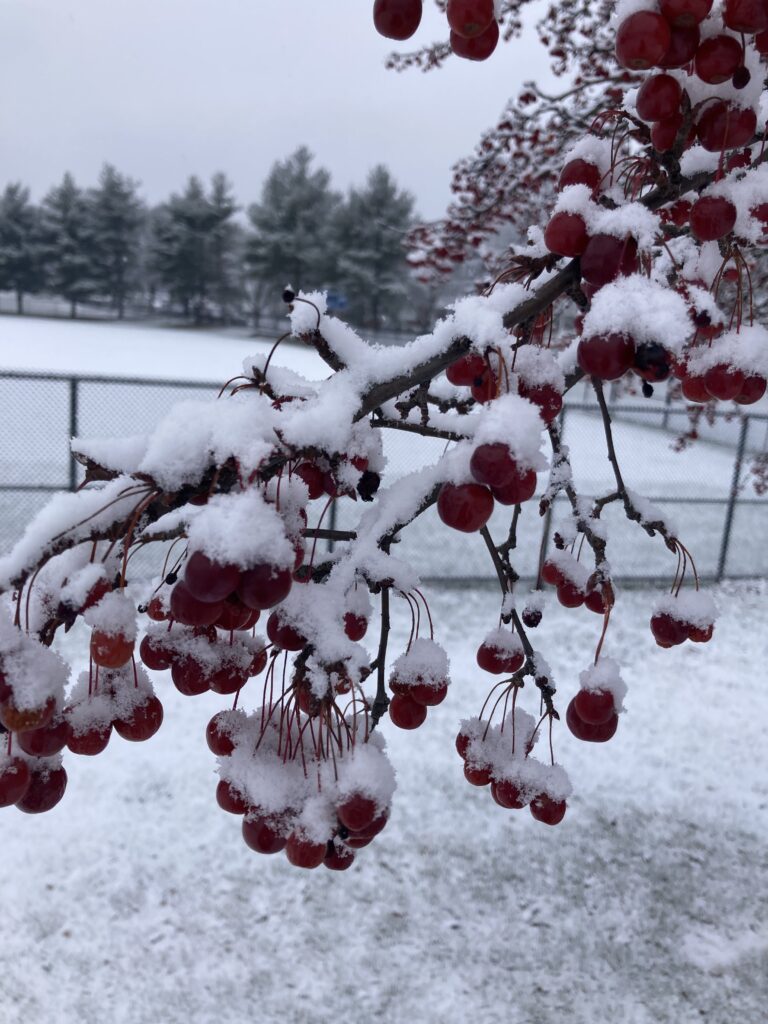
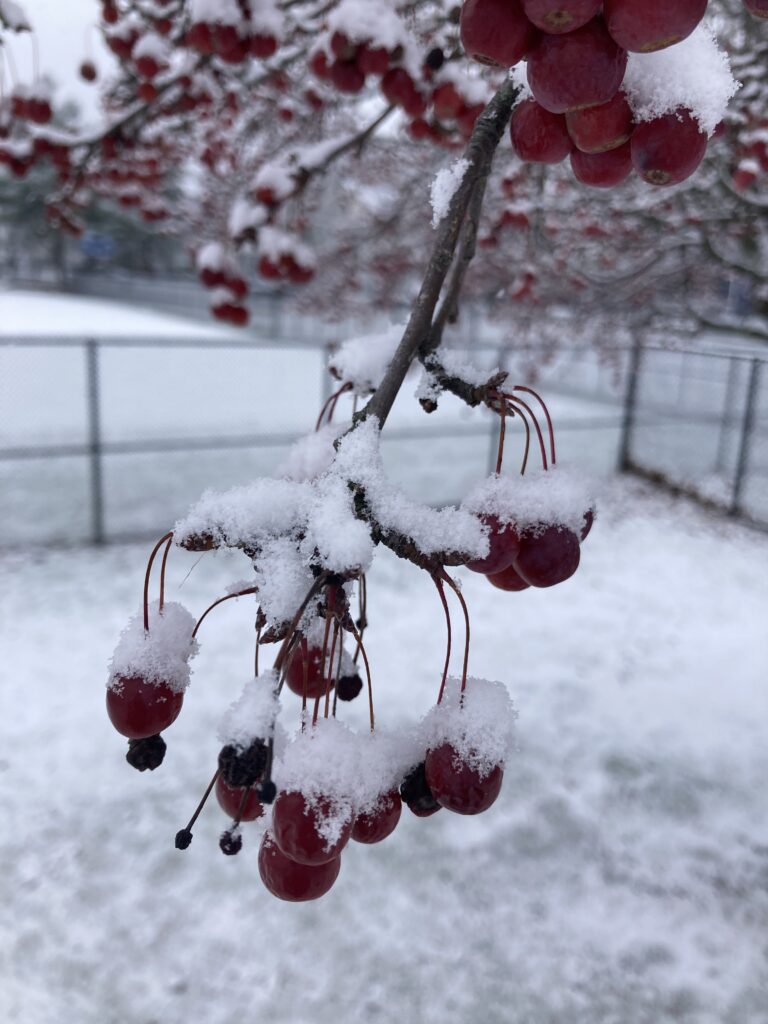
  • Winter Delights, Crab Apples In The Snow

    Winter is a time to process and store, crack and roast, leech and grind.  A time to take all your bounty from the fall and turn it into food and pantry items for next year.  But there are still things to find even in the most frozen parts of the year.

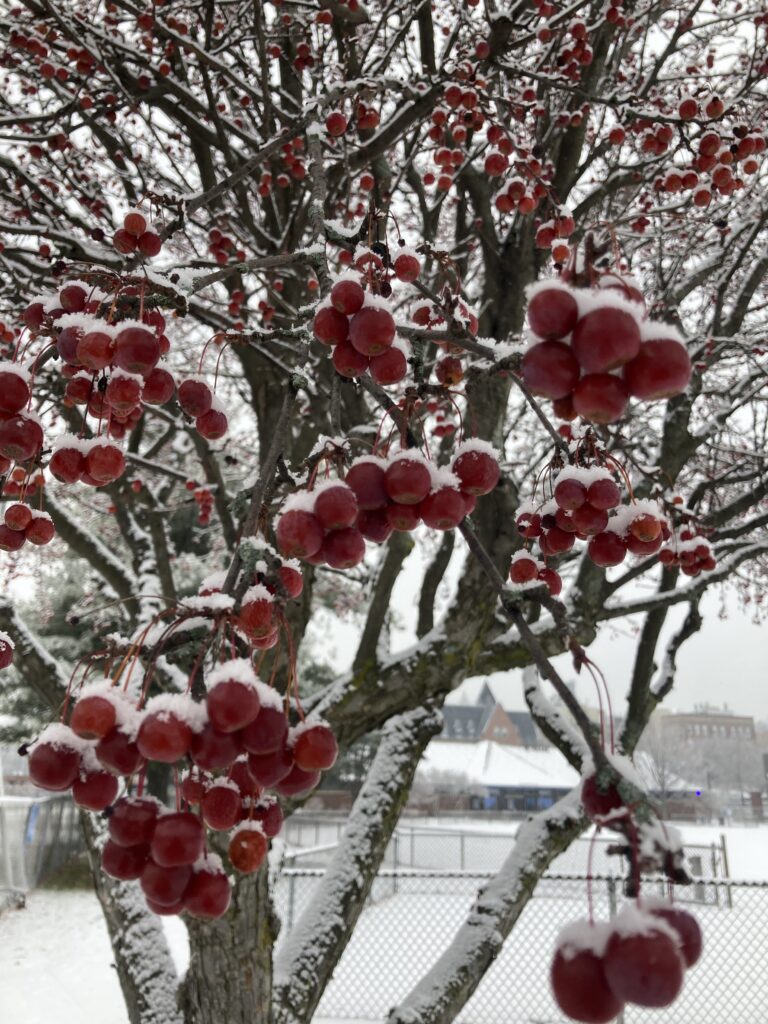
    In the fall this little decorative crab apple had rock hard fruits that were so sour they would cause your mouth to invert, but after a few frosts the fruits have softened and are now only slightly tart with a lovely hint of sweetness (this is often called bletting) .  I took a handful home and made a little pan jelly with them.

    Recipe:
    Sort out the dried ones, add to a pan and add water to just barely cover the fruit.
    Cook until soft then mash up the fruit, strain the solid bits out and pour the liquid into a measuring cup.  Measure out the same amount of sugar as liquid and return both to the pan, heat until thick.  Crab apples are full of pectin so you wont need to add any.

    I only made about a 1/4 cup of this just to test its flavor and it was really good.  I already have a bunch of crab apple jelly in the pantry, but this tree has a really nice tart flavor so when I run out I might make it from this tree next time.  I will probably grab some more to make apple cider vinegar though.  In the mean time I left all these lovely slightly sweet fruits for others, including the birds who will feast on them in February when other food is scarce.

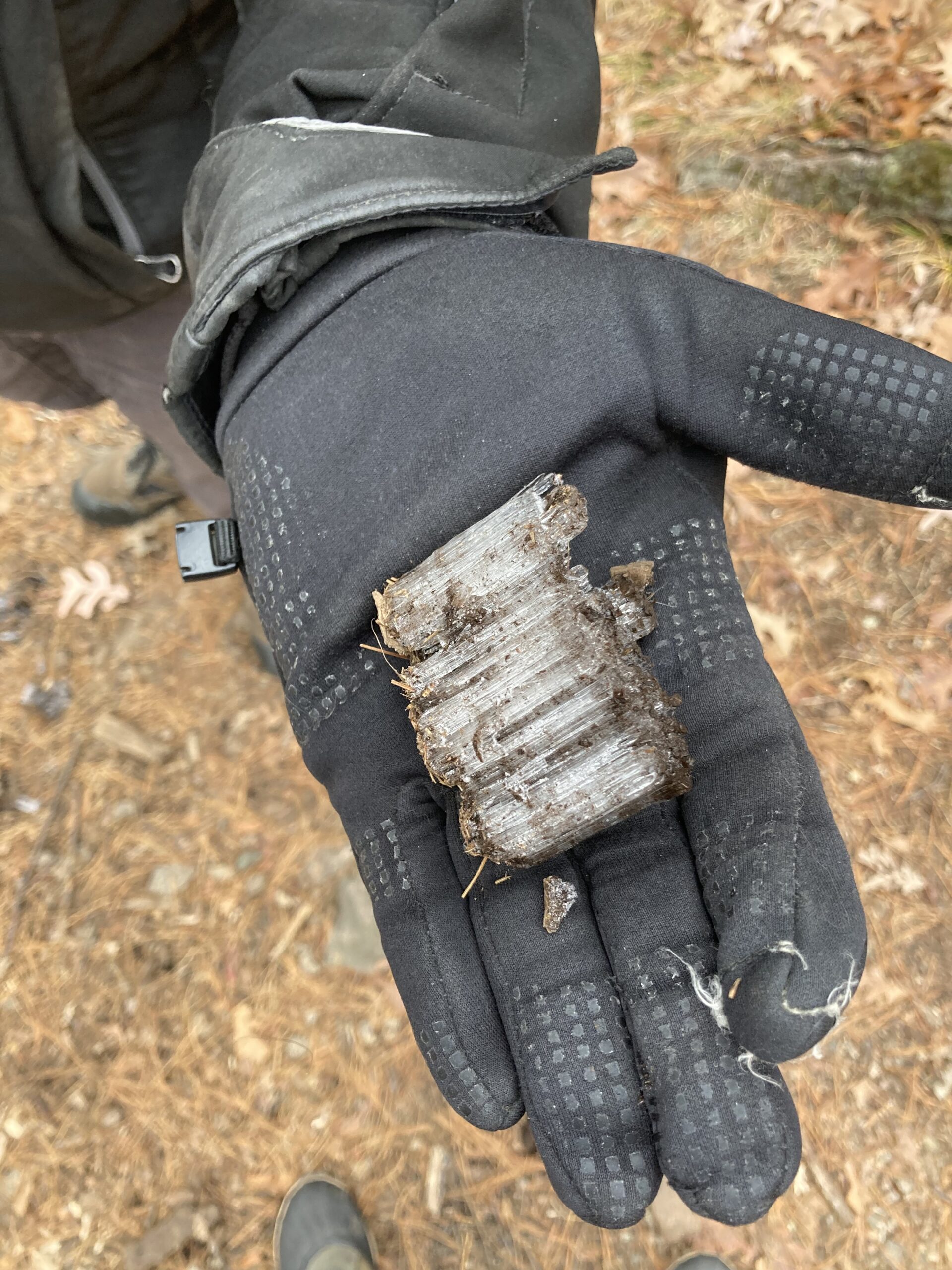
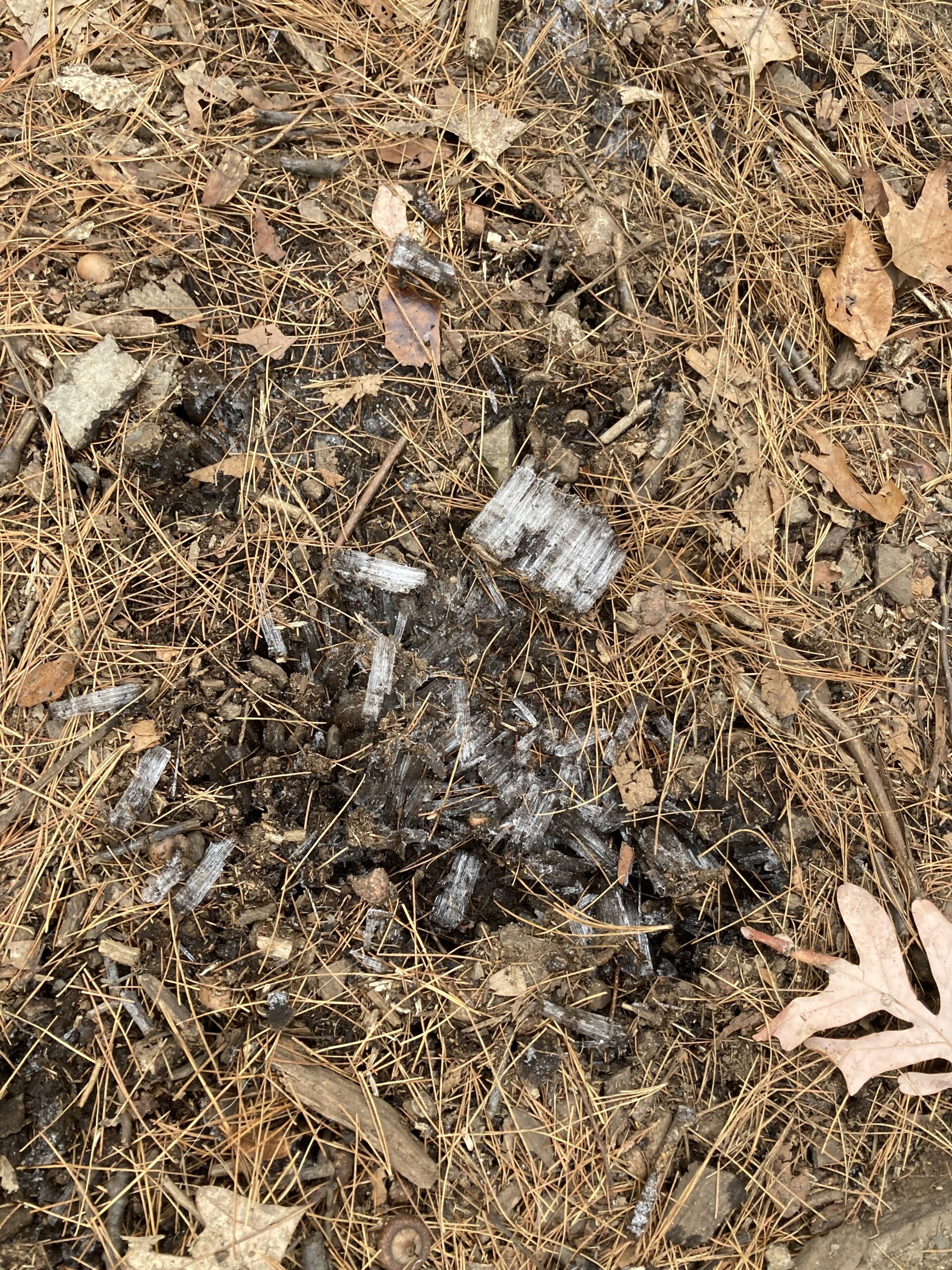
  • Needle Ice In Middlesex Fells

    While out walking in the fells I found a bunch of Needle Ice, it was everywhere!  You can still find a lot of interesting things in the woods, even in December.

  • Welcome to Neighborhood Plants!

    Years ago as I walked past barren lawn after barren lawn, I got an idea.  I wanted to turn my yard into something that would serve as a home not just for a mono-culture of a single grass, but for native plants, insects, and birds.  I missed hearing the buzz of tiny solitary bees, and seeing big beautiful butterflies floating around.  I missed the birds, and the flowers.  Grass just wasn’t doing it for me.

    The first thing I did was get some wild flower seed mixes, buried them in the yard and waited….and waited…and nothing happened.  I did a little research and realized I had done just about everything wrong.  I planted the seeds at the wrong time, I planted them at the wrong depth, I hadn’t cleared the grass away, and a host of other issues.  Instead of giving up I purchased more seeds, this time instead of a mix I selected plants I think would look nice (and some that were edible), and followed instructions online for how to cold stratify the seeds, when to plant them and to my great surprise not only did they grow, they GREW!  I had way way more seedlings than I could fit in my yard, so I put out a sign on the fence “plants for sale” and to my even further surprise people actually wanted to buy them, then they started asking for more varieties, and then they asked for native shrubs and trees…fast forward a few years and here I am opening a website and growing hundreds of native plants every year from seed.

    At the same time I was learning how to grow native plants, I was also expanding my garden, and my foraging practice.  I am constantly meeting new plants and thinking “can I eat this?”  It turns out that a great way to to get into plants is through your stomach!  There are so many delicious and edible plants and mushrooms growing all around us, and the more I got into harvesting, processing, preserving, and eating edible plants the more I also got into protecting and propagating them.  My relationship to my food, and my environment was changing.  I learned about indigenous cultures, food histories, colonial racism, environmental systems and so much more.  It was a wild ride, and one that isn’t done yet!  There is so much to learn about nature, and food, and history, and science that one can never run out of new things to explore.

    This website is home to both the Neighborhood Native Nursery and the Urban Tree Collective.  The UTC is a group for people interested in eating good food, but also in caring for and learning about the world we share with so many amazing living things.  You can learn more about the Urban Tree Collective here or join the mailing list to stay up to date on events, here.